


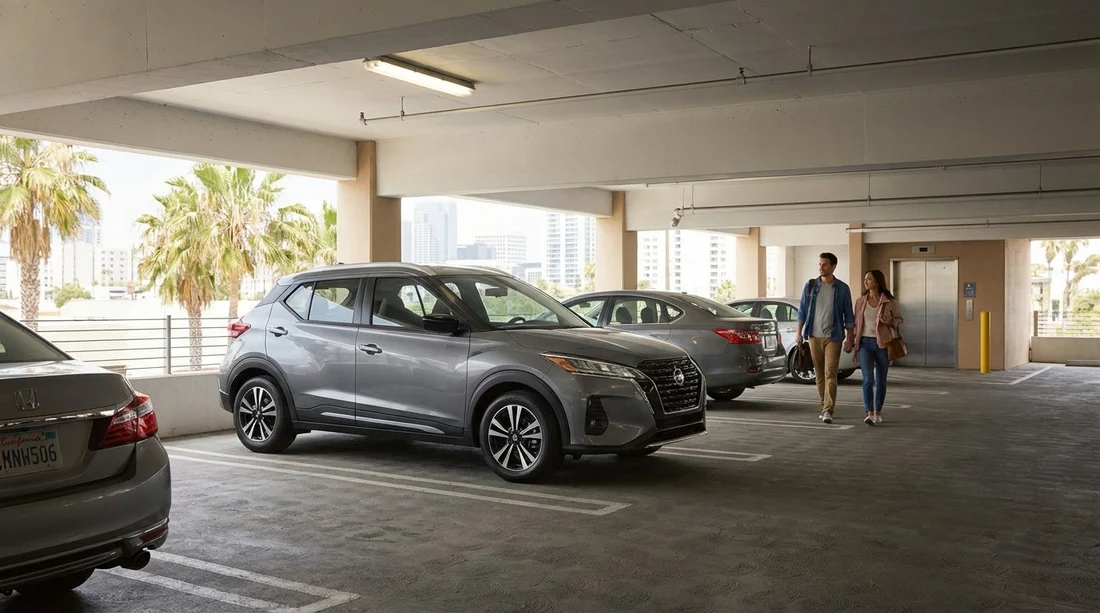
Quick Summary:
- Pre-book a nearby garage, enter from Biscayne Boulevard before tip-off traffic.
- Avoid street spaces with “Tow Away Zone” or permit-only posted.
- Use eastbound exits after games, then loop to I-95 ramps.
- Keep your car hire ticket, photo signs, and pay before leaving.
Driving to Kaseya Center in Downtown Miami is straightforward, parking without towing or surprise fees is the tricky part. On event nights, the combination of tight streets, aggressive private towing, and confusing curb signage can turn a simple trip into an expensive lesson. The safest approach is to use a reputable garage within a short walk, arrive with a clear entry route, and leave with a planned exit that avoids the worst gridlock around Biscayne Boulevard.
If you are picking up a vehicle for your trip, start with a location that makes Downtown access easy, then plan parking as part of the journey, not an afterthought. Hola Car Rentals has options for Downtown collection that suit visitors who want to drive to games and concerts without relying on rideshares. For context on local pick-up points, see car rental in Downtown Miami and, if you are coming in via the airport and driving straight to the arena area, Miami Airport car rental.
Where to park near Kaseya Center (reliable, low-drama options)
For a Kaseya Center game, you are aiming for three qualities, clear rules, staffed entry, and a predictable payment system. Downtown Miami has many private lots, but the garages attached to major venues and public facilities tend to have clearer signage and better lighting, which reduces the risk of towing disputes.
1) Arena-adjacent garages (best for convenience, higher event pricing)
The closest garages around Kaseya Center and the surrounding complex fill up fastest and often switch to event rates. They are still a good choice if you want the shortest walk and the most direct pedestrian routes. Because demand is high, you will have a smoother experience if you arrive early enough to avoid the last-minute surge.
2) Bayside Marketplace and nearby public garages (good balance)
Bayside is a common parking target because it is walkable to the arena and designed for high turnover. Expect event-night pricing, but the trade-off is organised access points and fewer “gotcha” restrictions than random surface lots. If you have a larger vehicle, such as a family-size SUV, garages are often easier than squeezing into curbside spaces. If you are choosing a larger car hire for comfort, it helps to know your height and turning radius before committing, especially in older structures.
3) Museum Park and the cultural district garages (often calmer ingress)
Parking slightly north or northeast of the arena can reduce congestion, because you avoid some of the heaviest post-game traffic immediately outside the venue. The walk is longer, but it can be more predictable. A longer walk can be preferable to sitting in a queue of cars trying to exit a single choke point.
4) Brickell-area garages with Metromover transfer (least stress, longer overall time)
If you do not mind building in extra time, parking in Brickell and taking Metromover toward the arena area can remove the most stressful part of Downtown driving. This is useful when road closures or heavy police direction make last-mile driving chaotic. It is also helpful if your accommodation is south of Downtown and you want to keep your driving simple on the way back.
Travelling with a group can change the maths, especially if you are coordinating times and entrances. If you have more passengers, it can be easier to use a larger vehicle, then prioritise garages with wider ramps and clearer pedestrian routes. For larger party travel planning, Hola’s regional options like van rental in Brickell can be a practical fit, but the parking plan matters just as much as the vehicle.
A practical game-night parking plan (entry points, timing, and backups)
This plan assumes you are driving a car hire in Miami, starting somewhere in the city or from the airport, and want to minimise towing risk and high fees.
Step 1: Choose a primary garage and one backup
Pick a primary garage within a comfortable walk of Kaseya Center and identify one backup a little farther away, ideally north or south so you can pivot if streets close. The key is to avoid last-second decisions based on a waving attendant for a “cheap lot”. Those lots may be legitimate, but they are also where rules and towing authorisations can be least transparent.
Step 2: Arrive 60 to 90 minutes early
Event parking gets more expensive and chaotic the closer you arrive to tip-off. Early arrival increases your choices, reduces time spent circling, and gives you time to read signs, photograph them, and confirm payment rules. In Downtown Miami, circling is how people drift into permit-only blocks and get towed.
Step 3: Use Biscayne Boulevard as your “spine”, then peel off once
For most drivers, Biscayne Boulevard is the easiest north-south reference near the arena district. The tactical goal is to approach the garage from a major road, then make one clean turn sequence into the entrance, rather than hunting through one-way side streets. If you miss the entrance, do not stop or reverse, loop the block legally and try again.
Step 4: Pay the right way, then save proof
Garage systems vary: pay-on-entry, pay-on-exit, or pay-at-kiosk. Use the stated method only, and keep the ticket. If you pay by app, keep the confirmation screen and check your licence plate entry is correct. A single digit wrong can look like non-payment later.
Step 5: After the game, walk a block before driving
If your garage exit drops you into immediate post-event gridlock, consider waiting five to ten minutes, then leaving when the pedestrian wave thins. If that is not possible, a useful tactic is to drive out and aim to get one block away from the heaviest arena traffic before choosing your final route to I-95. The objective is not speed, it is avoiding the standstill where tempers rise and small mistakes happen.
Exit strategy: how to leave Downtown without the worst congestion
Most post-game delays come from everyone trying to funnel onto the same streets at once. Your best exit depends on where you are heading, but these principles reduce pain.
If you are going north or south on I-95
Use a route that gets you to an I-95 on-ramp without crossing the tightest arena blocks twice. If police direction prevents your preferred turn, follow instructions and adjust, do not improvise against traffic. Many intersections will be manually controlled, and making a prohibited turn can lead to a stop, which holds everyone behind you.
If you are heading to Miami Beach
Expect the causeways to load up. Leaving ten minutes later can sometimes be faster than fighting the first wave. If you have an SUV or a larger car hire, maintain extra spacing because stop-and-go traffic on ramps is where minor bumps occur. If your trip includes the beach and you are weighing vehicle size, consider the balance between comfort and manoeuvrability, as covered in SUV rental for Miami Beach.
If you are staying in Downtown or Brickell
Do not rush. It is often easier to take surface streets slowly and safely than to join the motorway queue. Be particularly cautious with one-way streets, they are common around the arena area, and a wrong-way entry is both dangerous and costly.
Downtown Miami towing triggers: the signs and rules to take seriously
Towing in Downtown Miami can be fast, especially on event nights when spaces are scarce and enforcement is high. The safest rule is simple, if you are not 100% sure the space is legal for your exact situation, do not park there. Below are the most common towing triggers for visitors.
“Tow Away Zone” and “No Parking” with time windows
These signs often include hours and days, and event nights frequently line up with restricted windows. Pay attention to arrows that show which direction the restriction applies. If you park beyond the arrow’s coverage, make sure you are reading the correct sign for your side of the block.
Permit-only residential zones
Many curb spaces look open but are reserved for residents or permit holders during specific hours. The towing risk spikes when visitors assume “after 6pm it is fine” without reading the actual hours posted. Downtown rules vary block by block.
Private lots with hidden terms
Some surface lots are legitimate but have strict conditions, such as paying within a short time, parking only in marked stalls, or displaying a receipt on the dashboard even if you paid electronically. If terms are not clear at the entrance, choose a different lot. A reputable garage is usually cheaper than a tow plus storage fees.
Blocking anything: driveways, gates, loading zones, hydrants
Even if you are “just running in”, blocking access points is a quick tow. Loading zones are actively used around event venues, and enforcement tends to be strict.
Conflicting signs or missing signs
If signage is confusing, treat that as a warning, not an invitation. In disputes, you are unlikely to win on the street at midnight. Choose a facility where the rules are posted clearly at the entrance and within the structure.
Metered parking misconceptions
Some metered spaces switch rules at night, or require payment until a specific time even if nearby areas are free. If you use metered parking, check the meter face or posted instructions carefully, and confirm any app zone matches your exact space.
Cost-control tips that do not increase towing risk
It is possible to avoid huge fees without gambling on questionable lots.
Prioritise predictability over the lowest number
A slightly higher event rate in a well-run garage is often the true budget option when you factor in the cost of towing, missed tip-off time, and the hassle of retrieving a vehicle.
Split the difference with a longer walk
Parking a bit farther away can reduce event premiums. Choose areas with steady foot traffic and good lighting. If you are unsure about a block, keep going until you reach a clearer facility.
Choose a vehicle that fits the plan
If you will be using garages often, a smaller car can be easier to manoeuvre and may reduce stress in tight turns. If you are trying to manage overall trip cost, including fuel and parking, browsing a value-focused car hire option can help set expectations, such as budget car rental in Florida. The main point is to match vehicle size to Downtown driving, not to overcompensate.
On-the-ground checklist before you lock the car
Use this quick checklist every time you park near the arena, even if you are in a hurry.
Confirm you are in a marked stall, not a striped buffer area. Read the nearest sign completely, including time ranges and arrows. Photograph the sign and your stall number. Verify payment instructions, then save the ticket or digital receipt. Before walking away, look for any additional posted notices at the pay station, some garages have event-night procedures that differ from daytime rules.
FAQ
What is the safest parking choice for a Kaseya Center game if I want to avoid towing?
Use a staffed garage with clear event-night signage and a ticketed or gated system. Avoid unmarked curb spots and private lots with unclear terms.
How early should I arrive to park without huge fees and stress?
Plan to arrive 60 to 90 minutes before tip-off. You will have more garage availability, shorter queues, and time to confirm signs and payment rules.
Which Downtown Miami signs most often lead visitors to getting towed?
“Tow Away Zone”, permit-only restrictions, time-window “No Parking”, and loading zone signs are the biggest triggers. Arrows and time ranges matter as much as the headline.
Is street parking near the arena worth it for a car hire?
Usually not on event nights. Meter rules and permit zones change by block, and enforcement is strict. A reputable garage is generally the lower-risk option.
How do I reduce post-game gridlock when leaving my parking garage?
Wait a few minutes for the first wave of cars and pedestrians to clear, then drive one block away before committing to the motorway route. Follow police direction and avoid illegal turns.




























































































