


Quick Summary:
- Check your insurer, bank card, and club cover before adding roadside assistance.
- Typical roadside help covers jump starts, tyre changes, lockouts, and towing.
- Most plans exclude repairs, replacement tyres, fuel costs, and off-road recovery.
- It is most worthwhile for long drives, remote routes, or limited phone signal.
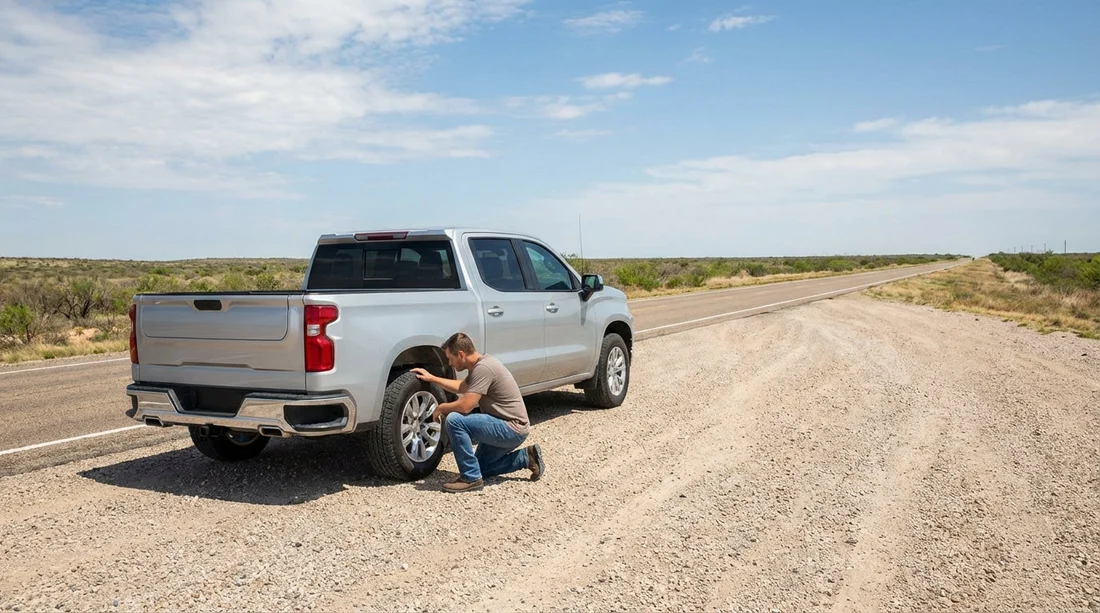
Roadside assistance on car hire in Texas can feel like a small add-on, until you are stranded on a hot shoulder with a flat tyre or a dead battery. The value is not only the service, but also speed, eligibility, and what you pay out of pocket at the roadside. To decide if it is worth adding, you need to know what it actually covers, what it excludes, and where you might already have similar protection.
Texas is a large state with long distances between cities, big temperature swings, and plenty of routes where help can take time to reach you. A simple issue, such as a puncture or an empty tank, can become expensive if you are billed for call-out, labour, and towing. Roadside assistance aims to turn those unknown costs into something more predictable, but only for specific events and within the limits of the plan.
If you are comparing options for car hire in Dallas Fort Worth or planning a longer drive out towards West Texas, it helps to approach roadside assistance like any other travel cover: read the terms, look for overlaps, then decide whether the extra cost matches the risk of your route.
What roadside assistance usually covers on car hire in Texas
Coverage varies by provider, but most roadside assistance add-ons for rental cars focus on common, non-collision breakdown-style problems. In practice, the assistance is often delivered by a contracted roadside network, and the rental company authorises the service.
Battery jump start is one of the most common call-outs. If the battery is flat because lights were left on or the car has sat unused for a while, a technician may jump the car or test the battery. Some plans will tow if the battery will not hold charge, but they typically will not pay for a new battery if it is considered a wear-and-tear item.
Flat tyre help is often included, but the details matter. Some rentals have a spare, others rely on tyre inflation kits, and some newer vehicles have no spare at all. Roadside assistance may send someone to fit the spare, inflate the tyre, or tow you to a tyre shop if a safe repair is not possible on the roadside. Whether the tyre itself is free, however, is another question, and often excluded.
Lockout service is generally included. If keys are locked inside the vehicle, roadside can dispatch a locksmith or technician to open the car. Plans sometimes limit this to one or two incidents per rental. They also may not cover replacement keys or key fobs if they are lost, damaged, or need programming.
Emergency fuel delivery is frequently listed, but it is usually fuel delivery as a service, not free fuel. In other words, you may get a small amount of fuel brought to you so you can reach a station, while paying for the fuel itself and sometimes a service fee if it exceeds plan limits.
Towing can be included when the vehicle cannot be made drivable on the spot. Towing is often limited to the nearest authorised repair facility or the nearest location approved by the rental company. There may be mileage caps, and towing due to misuse can be excluded.
Minor mechanical assistance can include help with a dead starter, overheating, or warning lights when a safe drive is not advised. Some roadside teams will not diagnose complex faults roadside, but they can arrange a tow and help you follow the rental company’s breakdown procedures.
If you are collecting at a busy airport location, support processes can be more streamlined because there are established service networks. For instance, travellers picking up around San Antonio Airport often find that the practical difference is how quickly help is authorised and dispatched, rather than whether help exists at all.
Common exclusions that surprise travellers
Roadside assistance is not the same as damage cover, and it is not a promise that you will never pay anything. Exclusions are where people most often discover they have paid for something that does not solve their actual problem.
Tyre replacement costs are commonly excluded. The plan may cover the labour to change a tyre or tow the vehicle, but the cost of a replacement tyre, wheel, or repair can be billed to you. This is especially relevant if the tyre is damaged beyond a simple puncture repair, or if the vehicle has low-profile tyres that are more prone to sidewall damage.
Lost keys and key replacement can be excluded, even if lockout entry is covered. If you lose the key entirely, you might be responsible for replacement, programming, and the cost of towing to a dealer if required. Key fobs can be expensive, so check wording around “lost keys” versus “keys locked in vehicle”.
Accidents and collision-related recovery are usually not part of roadside assistance. If you hit something and the car becomes undrivable, that is typically handled under accident procedures and damage waivers, not roadside. Similarly, if you have a blowout after striking a kerb or debris, the provider may classify it as damage rather than a simple mechanical issue.
Off-road, beach, mud, or flooding recovery is frequently excluded, or it requires specialised recovery with extra fees. In Texas, flash flooding can be serious. If you drive into standing water and become stuck, roadside assistance may refuse service or charge additional recovery costs.
Negligence or misuse exclusions can include running the vehicle without oil, using the wrong fuel type, ignoring warning lights, or driving on an obviously flat tyre. In these cases, roadside might still tow you, but the cost can be passed on.
Distance, time, and location limits can apply. Some plans limit towing miles, exclude service on restricted roads, or reduce service availability in very remote areas. Even where service exists, response times can be longer, which matters if you are travelling with children or in extreme heat.
Where you might already have similar cover
The main reason travellers add roadside assistance to car hire is convenience and clarity. The main reason not to is duplication. Before you pay twice, check these common sources of overlap.
Your personal auto insurance may include roadside assistance as an optional add-on. However, it might only apply to vehicles you own, not rentals, or it may treat roadside claims as incidents that can affect premiums. Also, if your policy is based outside the US, it may not include US roadside support at all.
Credit cards sometimes include roadside dispatch benefits, but many are not “free roadside”, they are access to a hotline with discounted rates. Some premium cards reimburse certain costs, but only if you follow specific steps, keep receipts, and pay with the card.
Motoring clubs can provide strong coverage, but check whether the membership follows the driver or the vehicle, and whether it extends to rentals. Also check the geographic coverage and whether the club will respond on limited-access highways, which are common around major Texas cities.
Travel insurance may cover some roadside-related expenses, but often only as part of trip interruption or emergency assistance, not routine issues like a tyre change. It can be helpful for accommodation and onward travel costs if a breakdown causes a long delay, but it may not send a technician.
If you are doing a multi-stop trip across the state, such as collecting near El Paso and driving across long stretches, the key question is not just “do I have roadside”, but “who answers first, and who pays without reimbursement forms”.
How roadside assistance differs from damage waivers and insurance
Many travellers mix up roadside assistance with collision damage waiver (CDW), loss damage waiver (LDW), or excess reduction products. They solve different problems.
Roadside assistance is about operational incidents that stop your trip, such as a flat tyre, lockout, dead battery, or a tow for a mechanical failure. It is mainly about service logistics and call-out costs.
Damage waivers and insurance address the cost of repairing the vehicle after damage, theft, or vandalism, subject to terms, exclusions, and any excess. They usually do not pay a locksmith to unlock the car, and they may not cover a tow that is not directly linked to a covered claim.
There is overlap in some real-world scenarios, such as a tyre damaged by road debris. One provider may classify it as roadside, another as damage. This is why it helps to clarify, in advance, who to call first and what documentation is required.
When adding roadside assistance is usually worth it in Texas
Roadside assistance tends to be good value when the likelihood of a minor incident is higher, or when the cost of even a single call-out could exceed the add-on price.
Long-distance itineraries make assistance more valuable. Texas drives can be hours between cities, and a tow without coverage can be expensive, especially if it involves long mileage or after-hours service.
Extreme heat periods increase the risk profile. Batteries can struggle, tyres can be stressed, and waiting safely becomes harder. Having a single number to call and a clear authorisation process can be the difference between a manageable delay and a stressful situation.
Travelling with family or lots of luggage can make a quick solution more important. If you are using a larger vehicle, such as an option from minivan rental in Texas, changing a tyre or managing a breakdown on the roadside is not something most travellers want to handle alone.
Drivers who prefer certainty also tend to benefit. Even if you have a credit card dispatch line, rental roadside assistance can simplify the chain of responsibility because it is tied to the rental agreement and vehicle.
When you can often skip it without much risk
You may be able to skip the add-on if you already have robust roadside coverage that explicitly applies to rental vehicles in the US, and you are comfortable with the process for getting help.
City-focused trips around Dallas, Fort Worth, Houston, Austin, or San Antonio often have fast access to service providers and tyre shops. If you are staying mainly in metro areas and not doing remote drives, the value of roadside assistance may be lower.
Strong membership roadside coverage that follows the driver can be a good substitute, provided it covers lockouts, towing, and tyre assistance for rentals. Confirm any service limits and whether you must be present with the vehicle.
Travellers with high tolerance for admin may be happy paying for service and seeking reimbursement later, if their travel insurer or card offers it. Just remember that reimbursement is only useful if the provider accepts the claim, and you have the right receipts.
How to avoid duplicate cover before you drive away
The easiest way to avoid paying twice is to compare benefits line by line, not by name. Two products can both say “roadside assistance” and still cover different things.
First, list what matters most for your trip, such as tyre help, towing mileage, lockout, fuel delivery, and after-hours service. Then check whether your existing cover pays for the service itself or merely arranges it. “Dispatch” is not the same as “included”.
Next, confirm what the rental company expects you to do in a breakdown. Some agreements require you to call their assistance line first, especially for towing, to avoid unauthorised charges. Even if you have separate cover, you may still need the rental company to approve the tow destination.
Finally, consider your route and timing. A late-night drive, rural roads, and limited mobile signal all increase the practical value of an add-on that gives you one number and fewer payment surprises.
FAQ
Does roadside assistance on car hire in Texas include towing?
Often yes, but towing is usually limited to the nearest authorised facility and may have mileage caps. Check whether accident-related towing is excluded and whether authorisation is required.
Will roadside assistance pay for a new tyre if I get a puncture?
Usually it covers help to change a tyre or arrange a tow, not the cost of the replacement tyre or wheel. Tyre damage is a common exclusion, so read the terms carefully.
Is a dead battery covered, and what if it needs replacing?
Most plans cover jump starts and may tow if the car will not start. Battery replacement is often not included, especially if treated as wear and tear.
If I already have a motoring club membership, do I still need the rental add-on?
Not always. Confirm the membership covers rental cars in the US, includes lockout and towing, and has suitable limits. Also confirm you can still follow the rental company’s procedures.
Does roadside assistance cover breakdowns caused by an accident?
Typically no. Accident recovery and repairs are usually handled under collision or damage processes, not standard roadside assistance, and you may need to file an incident report.




























































































