Quick Summary:
- Most California pre-authorisation holds drop within 3 to 10 days.
- Your bank, not the car hire desk, controls available credit updates.
- Delays often follow late returns, added fees, or split transactions.
- Keep the rental agreement and final receipt to dispute extended holds.
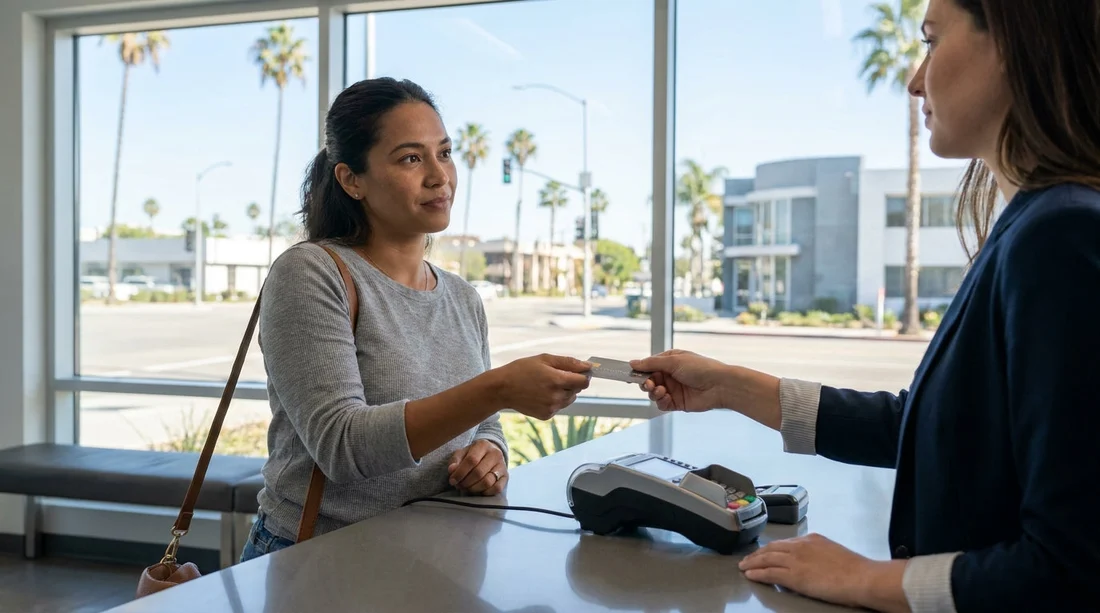
When you pick up a car hire in California, it is common to see a temporary “deposit” on your credit card. In most cases this is not a charge, it is a pre-authorisation hold. The rental company asks your card issuer to ring-fence an amount of your credit limit to cover the hire and possible incidental costs. You do not pay interest on a hold in the way you would on a cash advance, but the held amount can reduce your available credit until it is released.
The key point is that the rental company can request a hold, but your bank ultimately decides when that hold disappears from your account view. That is why two people renting the same day in California can see different release times, even with the same supplier, because they use different card issuers.
Below is what to expect for credit-card-only deposits, typical release timeframes, and the most common reasons holds take longer than you planned for.
What a rental “deposit hold” actually is
A deposit hold is usually a pre-authorisation transaction. It checks the card is valid and that you have enough available credit. Once approved, the issuer marks that amount as unavailable to spend. Importantly, the money has not moved into the rental company’s account. Think of it as a reservation against your credit limit.
At the end of the hire, the rental company either captures an amount (a final payment), releases the hold, or does both. Some suppliers will “replace” the original pre-authorisation with a final charge. Others will release the first hold and then run a separate final transaction. The path they take can affect how long you see funds tied up.
Typical release timeframes in California
For most car hire pickups in California, you will see the hold fall away within about 3 to 10 days after the rental is closed out. That window covers the common lag between returning the vehicle, the supplier finalising the contract, and the issuer updating your account.
If you are travelling through major hubs, timing can vary by location and volume. For instance, airport operations can be busy and end-of-day closure processes may push authorisation updates later. If you are arranging a California car hire around a flight into Los Angeles, you might be comparing options such as car hire at LAX and noticing different deposit policies across suppliers.
Why the hold can take longer than expected
Most delays are explainable, and knowing the usual causes can save you time on the phone.
1) The rental has not been fully closed
Even if you returned the vehicle, the contract may still be open in the system. This can happen when returns are out of hours or when a staff member still needs to verify fuel level, mileage, or condition. Until the rental is closed, the original authorisation may remain active.
2) A new authorisation replaced the old one
Some suppliers re-authorise partway through, especially for longer rentals, extensions, or upgrades. You might see more than one pending item, or a larger hold than you expected. Once the final charge posts, older authorisations usually fall away, but not always immediately.
3) Additional items changed the final amount
Extras can lead to a larger capture than the initial estimate, or to a final transaction that takes time to reconcile. Common triggers include optional insurance products, an added driver, toll programmes, prepaid fuel options, refuelling charges, or a vehicle class upgrade. Vans can sometimes carry different deposit structures, so travellers may wish to review deposit wording for van hire in Los Angeles.
4) Damage checks, cleaning, or smoking fees
If the supplier flags possible damage, excessive cleaning, or smoke odour, they may keep an authorisation in place while documentation is completed. Even when no charge is ultimately made, the review period can delay release.
5) Late return or changed return location
Late returns can result in extra days, late fees, or rate recalculations. One-way drops can also trigger different pricing. If the rental is being repriced, the supplier may hold funds until the final amount is settled.
6) Your bank’s processing rules
Issuers do not treat authorisations identically. Some automatically drop “stale” authorisations after a set period, often within a week, while others can take up to two weeks in edge cases. Debit cards can behave differently, but this guide focuses on credit-card-only deposit holds as requested.
What you can do to reduce deposit-hold headaches
Confirm the deposit type at pick-up
Ask whether it is a pre-authorisation or an actual charge, and what amount will be held. It is reasonable to ask when the rental will be closed after return and whether you will receive a final receipt immediately.
Keep your paperwork
Save the rental agreement, return confirmation, and final receipt. If a hold lingers beyond a reasonable timeframe, your bank may ask for evidence that the rental is closed and fully paid.
Allow headroom on your card limit
Because a hold reduces available credit, it can affect hotel deposits or other travel spending. If you are planning multiple stops across California, this matters. Travellers collecting in the Bay Area, for example, might compare suppliers such as Thrifty at San Francisco SFO and build in extra available credit for overlapping travel authorisations.
What to do if the hold is still there after 10 days
If it has been more than 10 days since the rental was closed and you still see the authorisation reducing your available credit, take a structured approach.
Step 1: Check whether the rental is truly closed
Look for a final receipt showing the rental is checked in and either paid or with a stated balance. If you only have an estimated receipt, the rental may still be open.
Step 2: Contact the rental company location first
Ask them to confirm the contract is closed and whether they have released the authorisation. Request an updated receipt. If you hired at a specific airport, it can help to reference that branch. If you hired in San Diego, you might have used car hire in San Diego or San Diego airport car rental, which can have different operating rhythms and return processes.
Step 3: Speak to your card issuer with documentation
If the supplier confirms they released it, your bank may still show it pending until their next update. Provide the final receipt and ask whether the authorisation is still active in their system. In many cases, the issuer can see an expiry date for the authorisation and tell you when it should fall off.
FAQ
How long does a rental car deposit hold take to be released in California?
Most credit-card pre-authorisation holds drop within about 3 to 10 days after the rental is closed, but your card issuer’s processing can push it longer in some cases.
Why did my available credit not increase when I returned the car?
Your available credit updates when your bank removes the authorisation from your account view. Even if the rental location closed the contract, the issuer may take several days to refresh pending items.
Can a hold last longer if there are extra charges?
Yes. Refuelling, tolls, late returns, upgrades, or damage checks can delay closure or cause a new authorisation, which can extend the time before your credit limit is fully restored.
What should I do if the hold is still there after 10 days?
Get a final receipt showing the rental is closed, ask the rental location to confirm the authorisation was released, then contact your card issuer with the receipt for an estimated removal date.
Will the hold disappear faster if I use a different card next time?
Sometimes. Different issuers apply different rules for how long they keep authorisations pending, so a card with faster authorisation expiry can reduce how long your credit is tied up.