Quick Summary:
- LDW usually covers rental car damage or loss, not stolen belongings.
- Personal effects theft is typically handled by travel or home insurance.
- Check your Rental Agreement, exclusions, and reporting steps before travel.
- Report theft promptly, gather evidence, and keep all incident documents.
When arranging car hire in Florida, it is common to see “LDW” listed among the protection options. LDW stands for Loss Damage Waiver. Despite the name, it is not a catch all policy for everything inside the vehicle. It is mainly about your financial responsibility for the rental car itself if it is damaged or stolen. The most important point for travellers is that theft of personal belongings, such as bags, phones, laptops, or passports, is usually not covered by LDW.
This article explains what LDW typically covers, what it usually excludes, and what you should check before you confirm a Florida car hire. Terms differ by supplier and product type, so treat this as general guidance and verify the wording for your specific booking.
What LDW typically covers in Florida car hire
LDW is commonly described as a waiver that reduces or removes the renter’s liability for damage to the rental vehicle, or for loss of the vehicle, subject to conditions. In practice, it often addresses costs the rental company would otherwise charge you, such as repair costs, the value of the vehicle if it is written off, or theft of the car itself.
In Florida, the basics are usually the same as in other US locations. If the rental car is damaged in an accident, vandalised, hit while parked, or stolen entirely, LDW may limit what you pay, sometimes to a deductible (also called an excess). Some packages advertised as “LDW included” can still have exclusions and responsibilities, for example failing to report an incident properly, using the vehicle outside permitted areas, or leaving keys in the car.
If you are arriving via a major hub, it can help to review the protection wording alongside the location information for your trip, such as car hire Orlando MCO or car hire airport Tampa TPA, then compare it to the provider’s rental terms. The key is understanding what is being waived, and under what circumstances.
What LDW usually does not cover: personal belongings
LDW generally relates to the rental vehicle, not to property you bring into it. That means theft of personal belongings from the car, whether the car is locked or not, is typically excluded. Even if LDW includes “theft”, that usually refers to theft of the vehicle itself, not theft from the vehicle.
Rental companies may have separate language about “personal effects” or “contents”. When those items are addressed, it is often through a different product, sometimes called Personal Effects Coverage (PEC) or similar, or by your own travel insurance. However, availability and naming vary, and the best approach is to check what your booking includes rather than assume an add on exists.
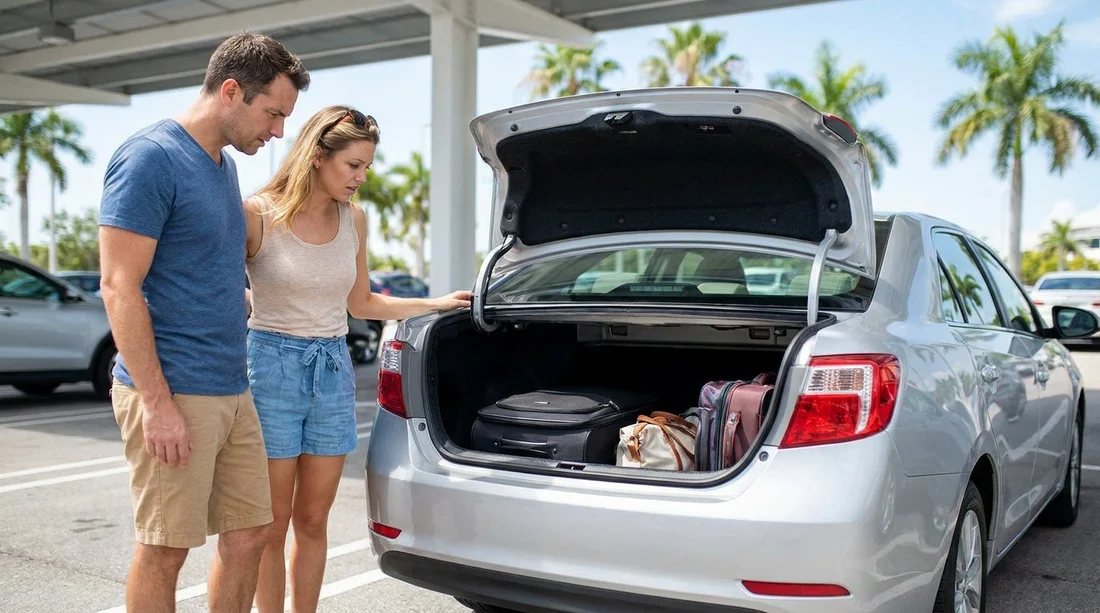
For example, if a bag is taken from the boot while you are stopped at a beach car park, LDW is unlikely to reimburse you for the bag or what was inside it. If a window is smashed during that theft, LDW might help with the damage to the car, provided windows and glass are included in the waiver you have. This split is the most common source of confusion for people arranging car hire in Florida.
Before car hire: what to check in your documents
To avoid surprises, read the protection details before you travel, not at the counter. You are looking for plain statements about what is included and excluded, plus what actions you must take after an incident. Focus on these areas.
1) Definitions and scope. Look for how LDW is defined. Does it say “damage to the vehicle” and “theft of the vehicle”, or does it mention “contents” and “personal property”? If personal property is not mentioned, assume it is not covered.
2) Exclusions that can void the waiver. Common examples include leaving the keys in the car, leaving the car unlocked, driving under the influence, unauthorised drivers, or using the car in prohibited ways. If the waiver is voided, you could be liable for the car damage as well, even if the incident began as theft from the vehicle.
3) Reporting requirements. Many agreements require prompt notification to the rental company and a police report for theft or vandalism. If you do not follow the reporting steps, the waiver may not apply.
If you are comparing options across Florida, you might view location pages such as car rental Miami Beach or Payless car rental Fort Lauderdale, then verify how the protection details are presented for each supplier and booking channel. The goal is to align your expectations with the actual terms you will sign.
If belongings are stolen from the rental car: what to do
If theft occurs, act quickly and methodically. First, make sure you are safe and move to a secure location. Then document what happened. Take photos of the vehicle, any damage, and the surrounding area. Write down the time, location, and anything you noticed, such as broken glass or signs of forced entry.
Next, report the incident to local law enforcement and obtain a police report or incident number. In Florida, insurers commonly ask for this, especially for theft. Then notify the rental company and follow their instructions. They may ask you to bring the car to a specific location for inspection, or to complete an incident form.
For the stolen personal belongings themselves, check your travel insurance, home contents cover, or a packaged bank account policy, as these often address personal property away from home. Be prepared for common conditions, such as limits for single items, exclusions for unattended vehicles, requirements that items are not left in plain view, and the need for proof of ownership or receipts.
FAQ
Does LDW cover theft of personal belongings from a rental car in Florida? Usually not. LDW typically covers damage to, or theft of, the rental vehicle itself, not items you leave inside.
If someone breaks a window and steals my bag, what might LDW cover? LDW may apply to the vehicle damage, such as a broken window, if glass is included and conditions are met. Your bag and its contents are typically handled by travel or home insurance.
What documents should I check before car hire in Florida? Review the booking inclusions, the rental terms and conditions, and the Rental Agreement wording on LDW, exclusions, deductibles, and reporting requirements.
Do I need a police report for theft from a rental car? Often yes. Rental companies and insurers commonly require a police report or incident number for theft or vandalism related claims.
Will travel insurance cover belongings stolen from a rental car? It depends on the policy. Many cover personal property theft, but may apply limits, require forced entry evidence, or exclude unattended vehicle theft, so check your policy details.