


Quick Summary:
- Confirm the car has an active E‑ZPass transponder assigned to you.
- Verify which toll plan is enabled, including any daily fees.
- Ask about toll-by-plate charges, admin fees, and posting timeframes.
- Photograph the transponder and plates, and keep your agreement accessible.
Tolls in Pennsylvania can be straightforward if your settings are correct before you leave the rental counter, and surprisingly expensive if they are not. The big risk is leaving with the wrong toll option enabled, then triggering toll-by-plate charges that arrive later with added admin fees. This checklist helps you confirm E‑ZPass status, understand what you will actually pay, and document vehicle details so you can challenge incorrect tolls.
If you are picking up around Philadelphia, it is worth doing this even for short trips. The Pennsylvania Turnpike and bridge crossings around the region can quickly add up, and different rental fleets handle electronic tolls in different ways. If you are arranging car rental at Philadelphia PHL through Hola Car Rentals, use the steps below as a counter-ready script to keep costs predictable.
1) Identify the car’s toll equipment before you drive off
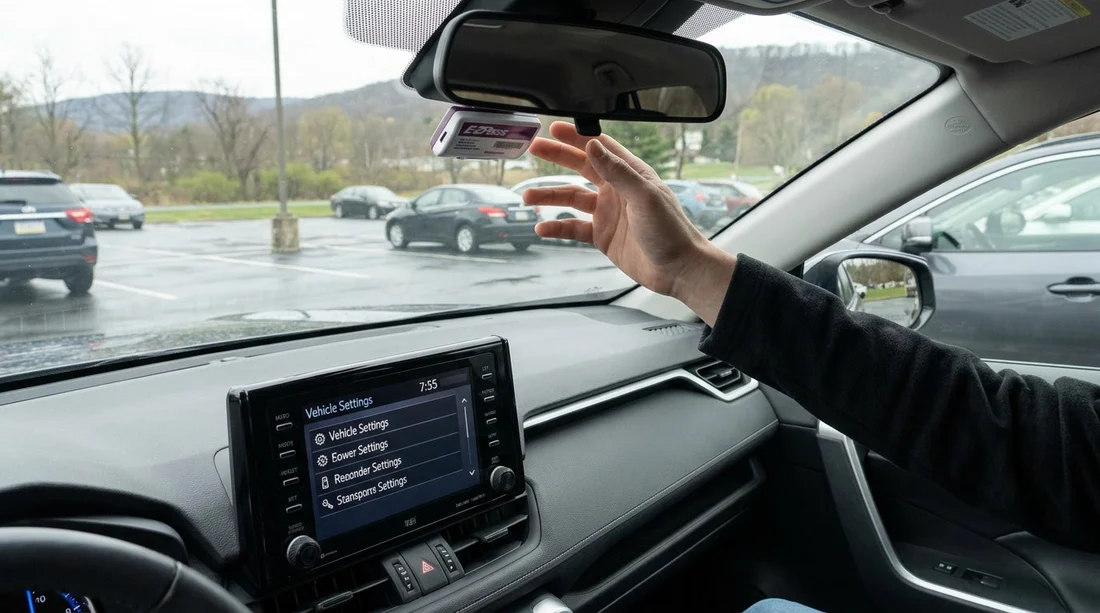
Start with the physical basics. Ask the agent to confirm whether the vehicle has a built-in transponder, a portable E‑ZPass unit, or no device at all. Then verify it yourself before leaving the car park. Look near the top of the windscreen, around the rear-view mirror area, or inside a small RFID pouch if the fleet uses removable units.
Is it assigned to your rental contract? Some companies track transponders per vehicle, others per rental. The key is that the system knows you have the car for that time period, so tolls are matched correctly.
Are you allowed to use your personal E‑ZPass? If you have your own E‑ZPass, ask whether you should remove or disable the rental transponder to avoid double reads. Only do this if the rental company confirms the correct process, because removing or covering a unit can violate terms or fail in certain toll lanes.
2) Confirm which toll plan is actually enabled on your contract
Rental companies may offer multiple toll options, and the name can sound similar even when pricing is not. Before you sign, ask the agent to point to the selected option on your paperwork or digital agreement. Then repeat it back in plain language.
All-inclusive toll programme: Often charges a daily fee for any day you use toll roads, plus the tolls themselves, or occasionally tolls included. You need to know which version applies.
Pay-per-use / convenience plan: Typically adds a daily fee only on days you incur tolls, plus the toll amounts.
Toll-by-plate only: If there is no transponder or it is disabled, tolls are billed to the plate and then passed to you later. This is where admin charges can be highest and delays are common.
When arranging car hire in Philadelphia, ask for the plan terms in writing, including the definition of a “toll day”, the maximum daily fee, and any cap over the rental period.
3) Ask specifically about toll-by-plate admin charges and timing
Unexpected costs usually come from toll-by-plate processing. In Pennsylvania, if a toll is captured by the vehicle’s plate instead of a transponder, the rental company or its billing partner will later match it to your rental and charge your card. That can be weeks after you return the car.
What is the admin or processing fee per toll, per day, or per billing event? Some programmes charge a fee each time a toll posts, others group them.
How long after the rental can charges appear? You want to know how long to keep your card available and your records organised.
Will you receive itemised toll details? Confirm whether you will get a list of toll locations and timestamps, not just a lump sum.
This matters whether you are in a compact car or something larger. If you are travelling with family and considering SUV rental at Philadelphia PHL, note that toll rates can vary by axle count in some contexts, and billing errors can be costlier.
4) Verify the plate state, vehicle class, and whether toll rates differ
Before you leave, check the registration plate and match it to the contract. A simple photo of the front and rear plate can save time later if you need to dispute a toll that does not belong to your rental.
Also ask what vehicle class the tolling system will treat the car as. While many Pennsylvania toll points price by standard passenger vehicle categories, some facilities or third-party billing systems can misclassify larger vehicles. This is especially relevant if you are collecting a people carrier or cargo vehicle. If you are arranging van rental in Philadelphia, confirm whether tolls will be billed as a standard passenger vehicle or a higher class, and how the rental company ensures accurate classification.
5) Do a quick “toll route” sanity check for where you will drive
You do not need to map every turn, but you should know whether your first few journeys are likely to hit tolls. In Pennsylvania, the Pennsylvania Turnpike is the main toll road that surprises visitors, and certain bridges and tunnels can also involve tolling depending on direction and facility rules.
At the counter, say where you plan to go next, for example “driving towards Harrisburg” or “heading to New Jersey later”. Then ask whether the plan will handle those tolls automatically via E‑ZPass, or whether it could trigger toll-by-plate. Staff cannot provide route planning in detail, but they can often confirm whether the car’s transponder setup matches typical toll facilities in the area.
6) Get clarity on what happens if the transponder fails
Transponders sometimes fail to read. If that happens, cameras capture the plate and the toll posts as toll-by-plate even if you had intended to use E‑ZPass. Ask the agent what evidence helps if you dispute a failed read, and whether admin fees still apply in that scenario.
7) Document everything in two minutes before leaving the car park
Take a small set of photos and keep them until all tolls have posted. You are protecting yourself from mismatched plate billing or incorrect date ranges.
Capture the transponder location, the transponder number if visible, front and rear plates, and your rental agreement summary showing the toll plan selection.
This simple record is useful whether you are renting through a major brand page such as Hertz car rental in Philadelphia or another supplier via Hola Car Rentals. Different fleets have different billing partners, but good documentation helps in all cases.
FAQ
Q: Can I use my own E‑ZPass with a rental car in Pennsylvania?
A: Often yes, but you must confirm the rental company’s policy first. Some require you to opt out of their toll plan and ensure the in-car transponder is not active to prevent double billing.
Q: What causes toll-by-plate charges when the car has a transponder?
A: A failed transponder read, incorrect transponder assignment, a dead battery in the unit, or using lanes that do not register the device properly can all result in plate-based billing.
Q: How can I avoid unexpected admin fees on Pennsylvania tolls?
A: Confirm the enabled toll plan before leaving, ask for the exact admin fee rules, and document the transponder and plates. Avoid relying on toll-by-plate as your default method.
Q: When will toll charges show up after I return the car?
A: It varies by fleet and toll processor. Charges can appear days to several weeks later, so keep your rental documents and photos until you see all tolls posted.
Q: What should I do if I think a toll charge is wrong?
A: Contact the rental company or their tolling partner with your agreement number, rental dates, plate details, and any photos you took at pickup. Ask for itemised toll records to compare against your trip.

























































































