


Quick Summary:
- LDW may cover body damage, but windscreens and tyres can be excluded.
- Check your quote for “glass”, “tyres”, “wheels”, or “road hazard” wording.
- Confirm at pickup whether glass and tyre claims have a deductible.
- Consider optional glass or tyre cover if local road conditions worry you.
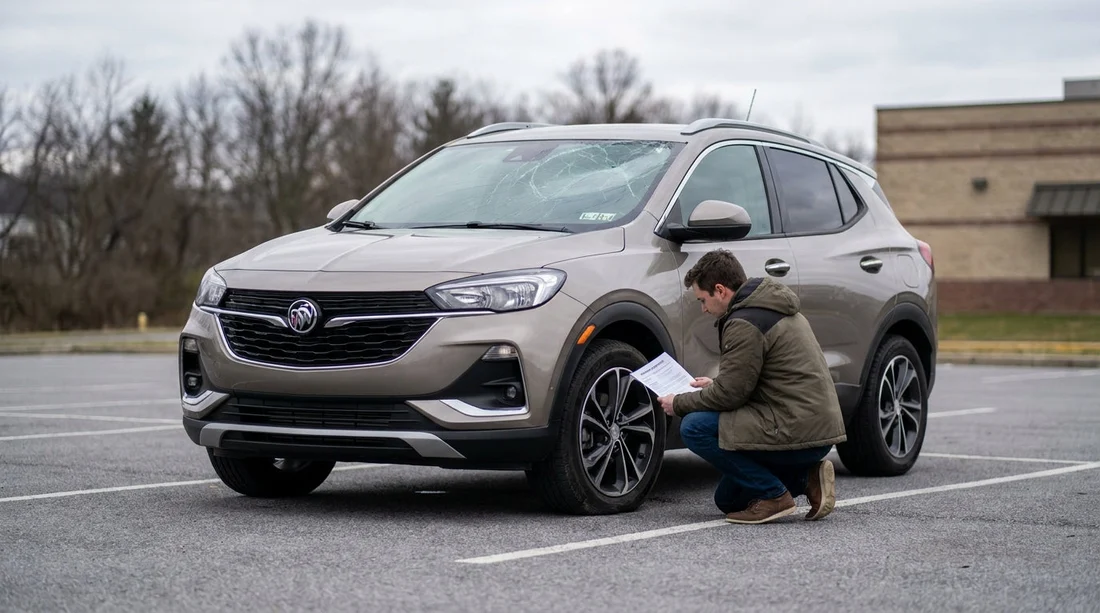
When you compare a US car hire quote in Pennsylvania, the big question is often whether the included Loss Damage Waiver, also shown as LDW, will protect you if a windscreen chips or a tyre is damaged. People assume “damage waiver” means everything on the car, yet rental terms in the US can split cover into categories such as body damage, glass, tyres, wheels, undercarriage, and roof. The result is confusion at the counter, especially after a long flight.
This article explains the most common LDW inclusions and exclusions you may see for Pennsylvania rentals, and how to confirm the details on your own quote before you travel. If you are arranging a rental around Philadelphia International Airport, the location pages for car rental at Philadelphia Airport (PHL) and car rental in Philadelphia (PHL) can help you compare suppliers, then you can focus on the cover wording itself.
What LDW usually means on a US car hire quote
In the US, LDW is typically a contractual waiver offered by the rental company. If the vehicle is damaged or stolen, LDW can reduce what you owe, often to a deductible, sometimes to zero, depending on the version included in your rate. It is not always “insurance” in the UK sense, and the precise protection comes from the rental agreement terms.
Most LDW products are designed around collision damage to the vehicle’s bodywork. That includes dents, scrapes, and accident damage. However, many agreements carve out specific parts of the car, or specific causes of damage, that remain your responsibility. Glass, tyres, and wheels are among the most commonly excluded items, which is why windscreen and tyre questions come up so often for Pennsylvania car hire.
Are windscreen and tyre damage included in LDW in Pennsylvania?
Sometimes yes, often no, and it depends on the supplier and the exact LDW level included in your quote. The safest general rule is this: do not assume windscreen and tyres are covered just because LDW appears on the booking confirmation.
Here is how it commonly breaks down:
Windscreen and other glass: Some LDW versions cover glass damage in full, others cover it only if it results from a collision claim, and many exclude it entirely unless you purchase separate glass cover.
Tyres and wheels: Tyres are frequently excluded under “road hazard” wording, even where body damage is waived. Wheels and rims can be treated separately from tyres, and kerb damage and punctures are often excluded unless you add a tyre and wheel protection product.
Because LDW is a waiver, not a promise that every part is protected, it is vital to check your documentation carefully, especially if you are comparing suppliers such as Thrifty car rental in Philadelphia (PHL) or Payless car rental in Philadelphia (PHL). Different brands can use similar names while applying different exclusions.
Common LDW exclusions that affect glass and tyres
When glass and tyres are not included, it is usually due to one or more exclusions written into the waiver. Look for these themes in the terms linked from your quote or provided at pickup.
Road hazards: Punctures, blowouts, and wheel damage from potholes, debris, or kerbing may be placed under “road hazards”, then excluded from LDW.
Negligence or prohibited use: Even if glass or tyres are included, LDW may not apply where there is a breach of the rental agreement, for example driving on unpaved roads where prohibited, ignoring warning lights, or failing to secure the vehicle.
Administrative charges and loss of use: LDW might waive repair costs but still allow the supplier to charge an admin fee, towing, or loss of use, depending on the terms.
How to check your quote before arriving at the counter
To avoid surprises, aim to confirm three things: what is covered, what is excluded, and what you would pay if something happens.
1) Find the coverage wording on your confirmation. Look for phrases like “LDW includes”, “LDW excludes”, “glass”, “tyres”, “wheels”, “road hazard”, “windscreen”, and “deductible”. If the document is silent on glass and tyres, treat that as a red flag that you need clarification.
2) Identify the deductible for damage claims. Even when glass and tyres are included, there may be a deductible. Ask whether glass and tyre claims share the same deductible as body damage, or have a separate amount.
3) Ask the supplier specific questions at pickup. Better questions include, “If I get a windscreen chip from a stone, is that covered under LDW, and what would I pay?” and “If I damage a tyre or rim on a pothole, is that covered, and does it require a separate product?”
Pennsylvania driving factors that make glass and tyres relevant
Pennsylvania driving can involve conditions where glass and tyre incidents happen without any collision. Seasonal temperature changes can contribute to potholes, and urban kerbs and tight parking can increase rim scuffs.
None of this means you should expect a problem, only that it is sensible to treat windscreen and tyre protection as separate questions from general collision damage. For context on larger vehicle options, see van rental in Philadelphia (PHL).
What to do if you notice existing glass or tyre issues at pickup
LDW and add-on covers are designed for new damage during the rental. To avoid being blamed for existing issues, do a quick but careful inspection before you drive away.
Check the windscreen: Look for chips and cracks along the edges, and ensure anything you find is recorded.
Check tyres and rims: Look for sidewall cuts, low tread, and visible rim scuffs. If the car has a tyre pressure warning light on the dashboard, raise it immediately.
Document properly: Ensure any damage is recorded on the rental agreement or in the supplier’s app process. Keep your own time-stamped photos for reference.
How to choose cover confidently for Pennsylvania car hire
When comparing quotes, focus on transparent wording rather than the label. Two rates can both say LDW, yet one includes glass and tyres and the other excludes them. If you want to compare rental options while keeping an eye on inclusions, the budget car rental in Philadelphia (PHL) page can be a useful starting point, then verify the cover details for the specific deal you choose.
FAQ
Q: Does LDW automatically cover windscreen damage in Pennsylvania?
A: Not automatically. Some LDW versions include glass, but many exclude windscreens or apply a deductible. Check your quote wording and confirm at pickup.
Q: Are punctures and blowouts covered under LDW on a US car hire?
A: Often they are excluded as “road hazards”. Tyre and wheel protection may be offered separately, or included only on certain rates.
Q: If LDW excludes tyres, can I still be charged for towing?
A: Yes. If a tyre issue leaves the vehicle undriveable, towing or roadside service charges may apply, depending on the rental agreement and any separate roadside cover.
Q: What is the best way to confirm whether glass and tyres are included?
A: Look for explicit terms mentioning “glass”, “windscreen”, “tyres”, “wheels”, or “road hazard”, then ask the desk to state what you would pay for each scenario.
Q: Should I photograph the windscreen and tyres before leaving the lot?
A: Yes. Photos help show pre-existing chips, cracks, or rim scuffs, and make it easier to resolve disputes about when the damage occurred.

























































































