


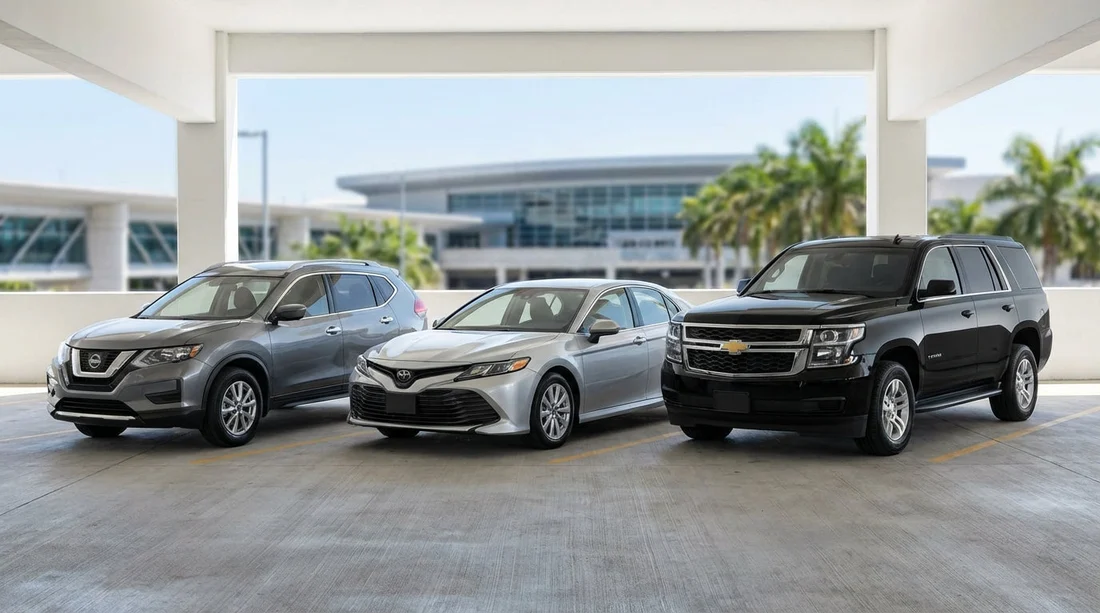
Quick Summary:
- Intermediate suits two adults plus cabin bags, with modest boot space.
- Standard adds rear-seat comfort, typically fitting two medium suitcases easily.
- Full-size offers widest cabin and boot, best for longer drives.
- Always compare passenger count and luggage, not just category names.
US car-hire size classes can feel confusing because the labels are not universal measurements. “Intermediate”, “standard”, and “full-size” are category signals used by rental fleets, and they describe a typical footprint, cabin space, and boot capacity rather than a guaranteed model. Two companies can both offer “standard”, yet one might supply a roomy sedan while another provides a slightly smaller model with a large boot. The key is to understand what usually sits in each class, and how that translates into real-world space for people, suitcases, and road trip comfort.
If you are comparing options for car hire in the United States, it helps to think in three layers: the seating you will genuinely use (front and rear comfort, child seats), the luggage you want to carry without stacking above the parcel shelf, and the driving you will do (city parking versus long interstate days). Category names are shortcuts. Your choice should be driven by your actual load and the kind of miles you plan to cover.
For an overview of providers and pick-up points, see car hire United States or the broader guide at car rental United States. This article focuses on what the size classes usually mean on the ground.
Why US size classes are not exact (and why that is normal)
Rental categories are fleet management tools. They group cars by similar dimensions, fuel economy, and expected customer use. The vehicle you receive is typically “or similar”, meaning any model that fits the class could appear at the counter. That is why it is safer to interpret classes as a range.
Also note that US classifications do not always map neatly to UK terminology. A US “intermediate” might feel like a compact-to-midsize sedan, while “full-size” often means a larger sedan with a long boot and a wide rear bench. SUVs further blur the picture because an “intermediate SUV” can have less luggage room than a “standard” sedan if the rear window line slopes sharply.
Intermediate car hire: the practical midsize for light luggage
Intermediate is a common sweet spot for price and efficiency. In US fleets, it is usually a midsize sedan with a reasonably comfortable front row and a back seat that works best for two adults, or two adults plus a child for shorter rides. Three adults across the back is possible, but shoulder room can feel tight on longer journeys.
Typical space expectations: Think “two adults plus luggage without trying”. The boot generally takes one large suitcase and one medium suitcase, or two medium suitcases, plus a few soft bags around the sides. If you are travelling with two large hard-shell cases, you may need to angle them or use a split of boot plus rear footwell space, which is fine for short hops but less ideal for longer road trips.
Typical models you may see: Toyota Corolla (often classed as intermediate by some fleets), Hyundai Elantra, Nissan Sentra, or similar. Sometimes you may receive a slightly larger sedan depending on availability, but plan for “midsize, not huge”.
Who it suits: Couples, solo travellers, or two adults with one child. It is also a good fit if you are mostly in cities and want easier parking, but still prefer a proper boot for secure luggage storage.
Standard car hire: noticeably more rear comfort and boot flexibility
Standard sits one step above intermediate and is usually where many travellers feel the car becomes “road-trip ready” for three or four people with sensible luggage. The cabin tends to be a bit wider, the rear bench more usable, and the boot opening often larger, which matters when you are loading rigid suitcases.
Typical space expectations: Two medium suitcases fit easily with room for a couple of smaller bags. Many standard sedans can take one large and one medium suitcase plus soft items. Rear seat comfort improves for adults, and three across the back becomes more realistic for short-to-medium distances.
Typical models you may see: Toyota Camry, Nissan Altima, Hyundai Sonata, Volkswagen Jetta (sometimes), or similar. Depending on the fleet, you might also see a smaller full-size model drop into standard on busy days.
Who it suits: Two adults with two medium suitcases, families with one or two children, and travellers planning several hours at a time on interstates. If you are unsure between intermediate and standard, standard is often the safer “no regrets” choice for luggage.
If you are also weighing costs, compare what is included and the class differences on budget car hire United States, as the price jump from intermediate to standard can be small on some dates and large on others.
Full-size car hire: the bigger sedan for long drives and fuller loads
Full-size generally means a larger sedan with a wider cabin and a long boot. In day-to-day use, the difference is most obvious in rear legroom, shoulder room, and the ease of carrying bulkier luggage without playing Tetris. For road trips, full-size tends to feel calmer at speed and less tiring over long distances, though fuel consumption can be a touch higher than intermediate.
Typical space expectations: Two large suitcases plus one medium suitcase is often feasible, especially if at least one bag is slightly slimmer. The cabin is better for four adults, and the rear seat is more comfortable for longer stints. If you are carrying child seats, the extra width makes it easier to buckle in and to keep the middle seat usable, although three child seats across still depends heavily on the seats themselves.
Typical models you may see: Chevrolet Malibu (sometimes standard or full-size), Toyota Avalon (less common now), Chrysler 300 (in some fleets), Nissan Maxima (occasionally), or similar larger sedans. Some locations may substitute a large sedan with an SUV in a comparable price band, depending on fleet mix.
Who it suits: Three to four adults with luggage, travellers with bulky items (like larger prams), and anyone prioritising comfort on multi-day driving routes. If luggage security matters, sedans are still excellent because the boot is separate from the cabin and not visible through the rear glass in the same way as many hatchbacks.
Intermediate vs standard vs full-size: quick decision rules
If you want a simple method for choosing a car-hire class in the United States, use these decision rules.
Rule 1, count people honestly: If you will regularly seat three adults in the back, aim for standard or full-size. Intermediate can work, but it is less comfortable for long distances.
Rule 2, translate luggage into “suitcase units”: Two medium cases, intermediate may work. Two medium plus carry-ons and shopping, standard is more relaxed. Two large cases, or any bulky item, full-size reduces compromise.
Rule 3, match the driving to your tolerance: City-only trips favour intermediate for manoeuvrability and parking. Long interstates favour standard or full-size for comfort and stability.
Rule 4, leave margin for reality: Airport days bring extra bags, coolers, or last-minute purchases. A little extra boot space can prevent awkward stacking that blocks rear visibility.
Common misconceptions that cause sizing mistakes
“Full-size means seven seats.” In US car hire, full-size usually still means a five-seat sedan. If you need three rows, you are typically looking for a minivan or a large SUV category, not full-size.
“Intermediate is always a compact.” Intermediate is often midsize, but the boundary between compact and intermediate can vary by company and location. Treat intermediate as “midsize-ish”.
“Standard guarantees a specific model.” Categories rarely guarantee the exact car. You can expect similar size and features, but trim levels, infotainment, and driver aids can vary.
“Bigger is always better.” Not if you are staying in dense areas with tight parking, or if you want maximum fuel economy. Oversizing can add stress in cities, and cost more in fuel and tolls.
What about SUVs and vans when these classes feel too small?
Some trips simply outgrow sedan classes. If you have tall passengers, lots of luggage, or you want a higher seating position, an SUV category can make sense. However, be aware that some mid-size SUVs have less usable boot space than a full-size sedan because of the shape of the rear cargo area.
If you need genuinely generous luggage room, easy loading, or three rows for people, a minivan is often the most practical solution, especially with children and car seats. You can compare people-carrier options via van hire United States.
How to use typical models without over-fixating on them
Listings often show a sample model (for example, “Toyota Camry or similar”). Use that photo as a rough indicator of size, not a promise. A helpful approach is to look up the boot volume for the sample model and treat it as a midpoint for the category. Then, decide if your luggage needs more than that midpoint, because your actual car might be slightly smaller.
It can also help to consider the “worst day” of your trip, not the average day. Airport pick-up with all bags present is usually the hardest fit, while mid-trip driving may involve fewer items in the car. Choose the class that comfortably handles the hardest fit.
Choosing a category when travelling with children
Child seats change how a car feels. Two child seats often consume enough width that the middle rear seat becomes impractical. If you will install two seats and still need space for a third passenger, moving from intermediate to standard, or from standard to full-size, can make a noticeable difference.
Also consider boot space for a pram or pushchair. Many umbrellas fold small and fit easily in intermediate. Full-size is better for larger prams plus suitcases, particularly if you want to keep the rear shelf clear and maintain good rear visibility.
FAQ
Is “standard” always bigger than “intermediate” in US car hire? Usually yes, but the difference can be small depending on the fleet. Treat standard as a step up in rear comfort and boot usability, not a fixed measurement.
How many suitcases fit in an intermediate vs standard vs full-size? As a rule, intermediate suits two medium cases, standard suits two medium plus extra soft bags, and full-size is best for two large cases and added extras.
Will I definitely get the model shown in the listing? No. The model is typically a representative example. You should expect a vehicle of similar size and features, but the exact make and trim can vary.
What if I need more than five seats? Intermediate, standard, and full-size usually refer to five-seat cars. For more seating, look for minivan or three-row SUV categories instead.
Should I choose full-size just for motorway comfort? If you are driving long distances with multiple adults or lots of luggage, full-size can feel more relaxed. For two people with light bags, intermediate or standard is often sufficient.





























































































