


Quick Summary:
- Ask if your car hire includes a toll pass and any daily fees.
- Without a transponder, tolls are billed by plate to the owner.
- Use your own E‑ZPass only when permitted and correctly linked.
- Track dates and routes, then check invoices fast to avoid penalties.
Pennsylvania’s main toll facilities increasingly rely on cashless or reduced-cash collection, which can surprise visitors who assume they can pay at a booth. If your car hire does not come with an E‑ZPass transponder, you can still use most toll roads and bridges, but you need to understand how the toll is captured, who gets billed, and what extra charges can appear later.
This guide breaks down the common cashless toll-billing methods you might face in Pennsylvania, what to ask your rental provider before driving, and how to keep your costs predictable.
Understand what “cashless tolls” means in Pennsylvania
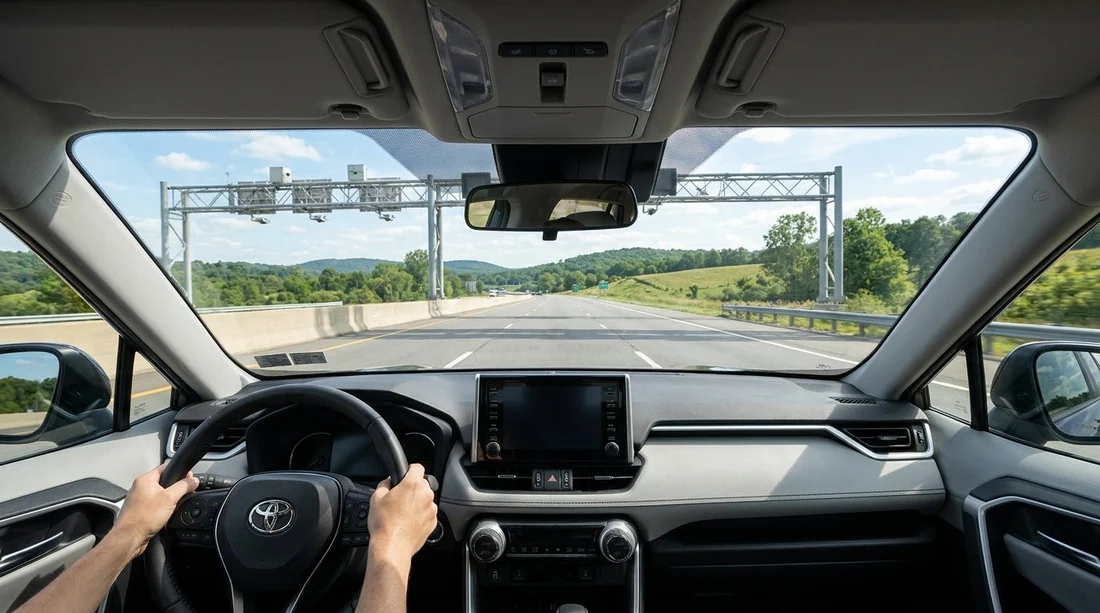
Cashless tolling means your vehicle is identified electronically while you drive through a tolling point, and payment is processed later rather than collected in cash on the spot. Identification usually happens in one of two ways: a transponder signal, such as E‑ZPass, or a camera reading your number plate for toll-by-plate invoicing.
In a rental vehicle, toll-by-plate is where surprises often happen. The invoice is sent to the registered owner of the car, which is the rental company, not the driver. The rental company then bills you, often adding an administrative fee per toll or per day, depending on the agreement.
If you are collecting a vehicle around Philadelphia, it is worth checking toll policies early, because nearby routes can include tolled river crossings and the Pennsylvania Turnpike. If you are comparing options for a Philadelphia airport car rental, look for clear wording on toll products, administrative fees, and whether you can opt out.
The main toll-billing methods you might encounter
1) E‑ZPass transponder (best rate on many roads)
With an E‑ZPass transponder, toll gantries or booths detect the device and debit the linked account. On many toll facilities, the transponder rate is lower than toll-by-plate rates.
2) Toll-by-plate or “Plate Pay”
If no transponder is detected, cameras capture the number plate and the toll operator generates a bill. In a rental situation, that bill goes to the rental company as the vehicle owner. You are then charged later through the rental company’s toll programme or back-office billing, which may include administrative charges.
3) Rental-company toll products
Many rental companies offer a toll package that either provides a transponder, or manages toll-by-plate billing on your behalf. These programmes vary, and the toll itself is still paid, with the programme fee on top.
4) Using your personal E‑ZPass with a rental
Some drivers bring their own E‑ZPass and temporarily add the rental vehicle to their account. This can work well, but only if your rental agreement permits it and you follow your issuer’s rules on associating plates and transponders.
Before you drive, confirm your car hire toll setup
The most practical step is a quick check at the counter or in your online documents. You are trying to answer three questions: does the car have a transponder, what fees apply, and can you use your own E‑ZPass instead.
Ask whether the vehicle is equipped with an E‑ZPass device, whether it is active, and whether you are automatically enrolled in a toll service. If you are hiring a larger vehicle for family travel, such as via a minivan rental in Philadelphia, toll costs can matter because longer trips often include the Pennsylvania Turnpike.
Also ask how charges are posted: some operators send toll-by-plate invoices weeks later, and rental billing can arrive after your trip. That timing affects your ability to challenge duplicate tolls or to match charges to your route.
If the rental has no E‑ZPass, what happens at the toll point?
In most cases, you can still drive through. Modern toll points are designed to read plates and bill later. The key risk is not that you will be stopped, but that you will lose control of the billing method and price.
Step 1, the toll is recorded. Cameras capture your plate, and the toll is logged to the vehicle owner.
Step 2, the toll operator invoices the owner. The invoice goes to the rental company’s address on file.
Step 3, the rental company bills you. You are charged for the toll amount, plus any administrative fee set out in your agreement.
Because this process is indirect, it is smart to keep notes of tolled segments you used. If a charge appears that does not match your route, having dates and approximate times makes it easier to dispute with the rental provider.
Using your own E‑ZPass with a rental car: do it carefully
If you have an E‑ZPass from another state, it generally works in Pennsylvania, but you still need to avoid mixed billing. Practical steps include linking the rental vehicle’s plate to your account for the exact hire dates, and ensuring the transponder is mounted and readable.
If you are arranging a specific vehicle class, like a SUV rental in Philadelphia, do the same toll check. Vehicle type does not change the tolling method, but it can affect your total toll spend if you cover more miles.
How to plan routes to avoid unexpected toll charges
Sometimes the cheapest solution is simply to avoid toll roads when time allows. Mapping apps can usually provide an “avoid tolls” option, but you should verify the route, because some diversions can add substantial time in congested areas.
When comparing suppliers, check the terms associated with brands you might see at the airport. For instance, if you are reviewing options like Thrifty car rental in Philadelphia or Payless car rental in Philadelphia, read the toll section as carefully as mileage and fuel policies.
What to do after your trip: reconciling toll charges
After you return your car hire, monitor your email and card statements for toll-related line items. If you used your own E‑ZPass, check that tolls posted to your account match your travel days, and remove the rental plate from your account once the hire ends to prevent future misbilling.
If tolls are billed through the rental company, review each line item. Confirm that dates and locations make sense, and check whether the administrative fee matches your agreement. If something looks wrong, contact the rental company promptly.
FAQ
Q: If my rental car has no E‑ZPass, can I still use the Pennsylvania Turnpike?
A: Yes. Most toll points will capture your plate and bill the vehicle owner later. In a rental, the company is billed first, then you are charged, often with an added admin fee.
Q: Will toll-by-plate cost more than E‑ZPass in Pennsylvania?
A: Often, yes. Many facilities price toll-by-plate higher than transponder rates, and a rental may add administrative charges, so the final cost can be notably higher.
Q: Can I add a rental car to my personal E‑ZPass account?
A: Usually you can, depending on your E‑ZPass issuer and the rental agreement. Add the rental plate for the exact dates, ensure only one toll device is active, and remove the plate afterwards.
Q: How long after my trip will I see toll charges on my rental bill?
A: It varies. Transponder charges can appear quickly, while toll-by-plate can take weeks. Rental companies may bill you after they receive and process the toll notice.
Q: What is the simplest way to avoid surprise toll fees with car hire?
A: Confirm the toll setup before driving, pick one payment method, and keep a record of tolled routes. Avoid mixing a personal transponder with an active rental toll programme.





























































































