


Quick Summary:
- LDW often includes theft protection in Florida, but terms vary.
- Check your agreement for theft wording and any deductible amounts.
- Leaving keys, documents, or the car unlocked can void theft cover.
- Ask about TP or LDW upgrades if theft deductible feels high.
When planning car hire in Florida, “LDW” is one of the most misunderstood parts of a US rental car booking. Many travellers assume it is a complete insurance package, but in the US it is usually a damage waiver offered by the rental company. Whether LDW includes theft cover depends on the exact wording of the rental agreement and the supplier’s rules, not just the headline label on your voucher.
This guide explains how LDW typically treats vehicle theft in Florida, what exclusions can apply, and which add-ons may change your protection. It is informational, and you should always verify the terms for your specific booking and supplier.
What LDW usually means on a US rental car booking
LDW stands for Loss Damage Waiver. In most US car hire contexts, it is not the same as an insurance policy. Instead, it is the rental company agreeing to waive, or reduce, what they could charge you if the vehicle is damaged or stolen, as long as you comply with the agreement. In practice, LDW can work like coverage, but it comes with conditions and exclusions.
Florida is no different. The core point is that “LDW included” on a booking confirmation does not automatically prove theft is included. Some suppliers treat theft as part of LDW, others offer a separate Theft Protection (often abbreviated as TP), and some have different levels of waiver with different deductibles.
If you are collecting at Miami Beach, it can help to review the pickup information and supplier terms in advance, for example via car hire Airport Miami Beach, so you know what to look for in the documents you receive at the counter.
Does LDW typically include theft cover in Florida?
Commonly, yes, theft is often included within LDW in the US market, meaning the rental company waives certain charges if the vehicle is stolen. However, the details matter. Many agreements treat theft similarly to damage, with a deductible (also called an excess) that may still be payable by you. Other agreements waive theft only if you can provide specific evidence, such as a police report, and can demonstrate the keys were not left with the vehicle.
Because suppliers vary, the safest approach is to confirm two things in writing. First, does the document explicitly mention theft, stolen vehicle, or loss of vehicle. Second, what is the deductible, and is it different for theft versus collision damage.
If you are picking up near Orlando, a common hub for family trips and theme parks, you may be comparing several suppliers. Pages like car hire Orlando MCO can be a useful starting point for understanding the location and supplier options, then you can focus on the terms that come with your chosen rental.
Key exclusions that can void theft-related protection
Even where theft is included in LDW, many claims are denied due to exclusions. These exclusions are often about negligence or failing to follow the agreement. In Florida, the most frequent issues travellers run into include the following.
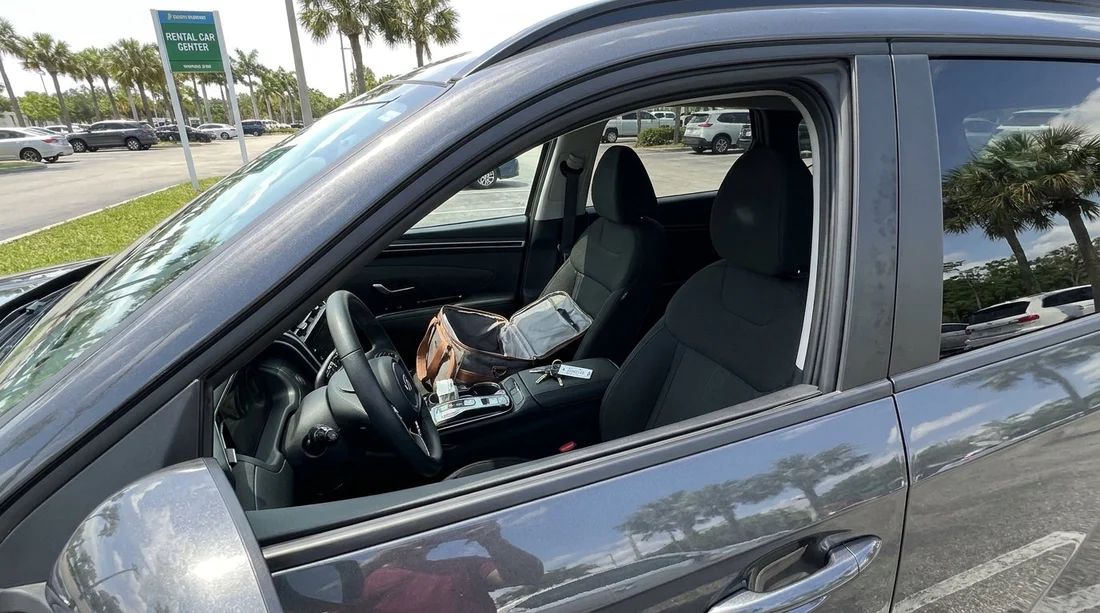
Keys and key fobs left with the vehicle. If the car is stolen with the keys, many rental agreements treat it as an exclusion, because it suggests the vehicle was not secured. This can apply even if the keys were briefly left inside while unloading luggage.
Vehicle left unlocked, or windows left open. Some suppliers may argue the renter did not take reasonable steps to secure the vehicle, which can invalidate the waiver.
Failure to report promptly. Most suppliers require an immediate police report and notification to the rental company. Waiting until the next morning can be treated as non-compliance.
Unauthorised drivers. If an unlisted driver had control of the vehicle at the time it went missing, waiver protections can be void.
Off-limits use. While Florida travel is typically on paved roads, some agreements exclude certain uses, such as driving on beaches, using the vehicle for delivery work, or other prohibited activities.
These are practical reasons to read the agreement at the counter, then take a photo of the key pages, especially the sections on loss, theft, and renter responsibilities.
What add-ons may change your protection
If theft cover is limited, or the deductible is high, you may see optional products offered at pickup. Names differ by supplier, but these are the ones most relevant to theft questions.
Theft Protection (TP). In some rentals, theft is handled by a separate Theft Protection product rather than LDW. If you see TP as an add-on, it may reduce the theft deductible or broaden when theft is covered. You still must comply with the agreement, including reporting requirements.
LDW upgrades or “zero deductible” options. Some suppliers offer a higher tier waiver that reduces the deductible to zero, or close to it, for both damage and theft. Clarify whether it applies equally to theft, because a “zero excess” message can sometimes apply only to damage, depending on the supplier’s wording.
SLP (Supplemental Liability Protection). This does not cover theft of the rental vehicle itself. It relates to third-party liability claims. Still, travellers often confuse it with comprehensive cover, so it is worth separating in your mind: SLP is about injuries or property damage you may cause to others.
Different suppliers present these options differently. If you prefer to compare supplier styles before travelling, you can look at supplier-specific information such as Alamo car hire Orlando MCO or location and supplier combinations like Budget car rental Fort Lauderdale FLL, then match what you see at the desk with what you expected.
How to verify theft cover before you drive away
For car hire in Florida, you can usually confirm theft treatment in a few minutes if you know what to check. Use this simple checklist when reviewing your voucher and the rental agreement you sign.
1) Find the section on “Loss”, “Theft”, or “Stolen vehicle”. Look for explicit wording, not assumptions based on the letters LDW.
2) Confirm the deductible and how it applies. Ask whether theft has the same deductible as collision damage, and whether glass, tyres, or towing have separate charges.
3) Check required evidence. Most suppliers require a police report and may require you to return all keys and key fobs. If there were two fobs, ensure you can produce them if needed.
4) Verify driver authorisation. Make sure every intended driver is correctly listed, because this can affect waiver protections.
5) Review “prohibited uses”. You want to be sure your plans are permitted, especially if you are taking day trips across Florida or parking in busy areas.
These steps are especially useful when you are tired after a flight, collecting in a high-traffic setting, and trying to get on the road quickly. A short pause to validate theft terms can prevent a costly misunderstanding later.
FAQ
Does LDW automatically include theft cover on all Florida rentals? No. Theft is often included, but not always, and the deductible and conditions vary by supplier and booking type.
What is the difference between LDW and Theft Protection (TP)? LDW is a waiver for damage or loss, while TP is a specific product that may cover theft or reduce the theft deductible. Some suppliers separate them.
Can I be charged if the car is stolen but I still have the keys? Usually you are in a better position if you can return all keys, but you may still owe a deductible. The agreement and police report will determine the outcome.
Does SLP help if the rental car is stolen in Florida? No. SLP is liability protection for claims from others, not protection for the rental vehicle’s theft or damage.
What documents will I likely need for a theft claim? Expect to provide a police report, the rental agreement, a statement of events, and typically all keys or fobs issued at pickup.





























































































