


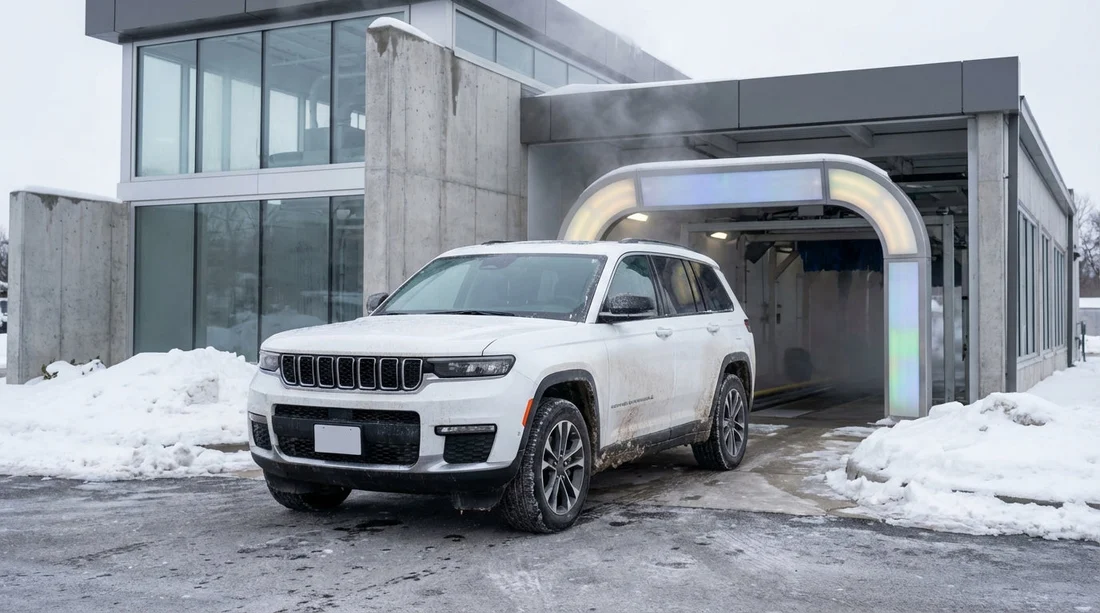
Quick Summary:
- Choose a touchless wash for winter grit and fewer swirl marks.
- Fold mirrors, remove antenna if possible, and confirm wipers are parked.
- Wash the undercarriage after salty drives, especially after storms and thaws.
- Keep receipts and dated photos after washing to dispute cleaning fees.
Pennsylvania winters can turn a clean vehicle into a salt-streaked mess within a single commute. Road salt and brine help keep roads safer, but they are tough on paint, wheels, and especially the underside of a vehicle. If you are driving a car hire, the question is not only whether an automatic car wash is safe, it is also whether it helps you return the vehicle in an acceptable condition without creating new risks like damaged mirrors or snapped wipers.
The good news is that using an automatic car wash in Pennsylvania winter is generally safe for most modern vehicles, including rentals, as long as you pick the right wash type and prepare the car correctly. The bigger risk in winter is often not washing at all, since salt can build up, obscure lights and cameras, and accelerate corrosion. Below is a practical, rental-focused guide to touchless versus brush washes, how to protect vulnerable parts, and how to document the condition of the vehicle so you can avoid disputes.
Why road salt changes the car wash decision
Road salt is abrasive, and salt residue attracts moisture. On body panels it shows up as a white film, but the real concern is what you cannot easily see: salt packed into wheel wells, along rocker panels, around door seals, and on suspension components. Over time, that residue can contribute to corrosion, stiff door seals, and squeaks, and it can make the car look neglected at return.
For a car hire, winter grime can also trigger “excessive cleaning” claims if the vehicle is returned extremely dirty, particularly on wheels, lower doors, and the rear bumper. A sensible wash schedule helps, but the safest approach is to wash strategically, using methods that remove salt without increasing the chance of physical damage.
Touchless vs brush: which is better for a hire car?
In Pennsylvania winter conditions, touchless washes are usually the safest choice for a rental. They rely on high-pressure water and detergents rather than physical contact. That reduces the chance of swirl marks and scratches from dirty brushes, and it reduces the chance that an external part gets snagged.
Brush (friction) washes can still be fine, especially at well-maintained facilities, but winter creates two extra issues. First, brushes can trap grit from previous vehicles, and that grit can behave like sandpaper. Second, stiff cold rubber and ice lumps can make contact points harsher than usual. If your hire car is dark-coloured, swirl marks are easier to notice in sunlight, and even if minor, you do not want a debate at return.
When a brush wash is the only nearby option, choose a newer facility that looks clean, avoid any site where you can see muddy brush material, and use a mid-level wash that includes a good pre-soak. The pre-soak is what loosens salt and grit before contact happens.
If you are picking up in the Philadelphia area, it can help to plan your first wash near where you are staying. Hola Car Rentals has local pages that can help you compare options for Philadelphia Airport rentals or Philadelphia city rentals, which is handy if your trip mixes highways, suburbs, and snowy rural drives.
Choose the right wash features for winter salt
Not all “automatic wash” packages are equal. In winter, you are paying for salt removal, not showroom gloss. Look for these features on the menu board:
Undercarriage rinse matters most after driving on treated roads. Salt tends to cling underneath and inside wheel wells. An undercarriage blast helps reduce build-up that a normal exterior rinse will not touch.
Pre-soak is important, especially when the car has a crust of salt. It softens and lifts residue so pressure or brushes do not grind it into the paint.
Wheel and rocker-panel focus is useful, because that is where winter filth accumulates. If the wash advertises “wheel blasters” or “side jets”, that is generally helpful for cleaning, but be cautious if a wheel is already scuffed. Strong jets will not create damage on their own, but they can reveal existing chips and scratches you should already have documented.
Spot-free rinse helps when temperatures hover around freezing. It reduces mineral spotting and can reduce the chance of doors freezing shut due to mineral-laden water left in seals.
Avoid add-ons that do not help your goal. Heavy wax options are not a substitute for removing salt. Also avoid any “hand prep” that involves questionable brushes. For a rental, consistency and documentation are more valuable than perfection.
Before you enter the wash: protect mirrors, wipers, antenna, and sensors
Automatic washes are designed for typical vehicles, but winter and rentals bring special cases. Take two minutes to do a quick prep so you do not risk avoidable damage.
Mirrors: If the vehicle has power-folding mirrors, fold them in before entering a friction wash. Many touchless washes are fine with mirrors out, but folding reduces risk. If mirrors do not fold, ensure they are firmly seated and not loose from a prior bump.
Wipers: Make sure wipers are fully down and not stuck to the glass with ice. If the wipers are frozen to the windscreen, do not run a wash. Freeing them first avoids tearing the rubber or stressing the wiper arm. Also ensure the rear wiper is not half-lifted. Some vehicles have a “service position” for wipers, but you want the normal parked position for a car wash.
Antenna: Many modern cars use a shark-fin antenna and you can ignore it. If your hire car has a long mast antenna, check whether it unscrews. If it does, removing it reduces the chance of it whipping around and snapping.
Loose items: Remove roof-mounted accessories if present, and do not enter with a roof box. Close the fuel door securely. Ensure windows are fully up.
Sensors and cameras: A car wash will not normally harm parking sensors or cameras, but winter grime can. After the wash, do a quick wipe with a soft cloth if the camera lens still looks smeared, especially the rear camera, which can affect safety.
Temperature matters: avoid washing when it will freeze immediately
Pennsylvania often swings between daytime thaw and overnight freeze. Washing is still worthwhile, but timing helps. Ideally, wash when the temperature is safely above freezing for a few hours afterwards, so water can drain from seals and hinges.
If you must wash near freezing, drive for 10 to 15 minutes afterwards. The airflow and warmth from the drivetrain helps dry brakes and reduce the chance of door seals freezing. After parking, gently open and close each door once to break any forming ice, and avoid forcing anything if it resists.
How often should you wash a hire car in winter?
There is no single rule, but a practical approach is:
After any heavy salt event, such as driving during or right after a snowstorm when roads are visibly white with brine. An undercarriage rinse within a day or two is ideal.
Every 1 to 2 weeks if you are doing regular winter motorway driving. This keeps build-up manageable and makes the final clean easier.
Before return, wash within 24 hours of drop-off if possible, then take photos. If you are returning at the airport, plan extra time, because lines at winter car washes can be long on weekends.
If you are travelling with family or lots of luggage, the exterior dirt tends to be accompanied by interior salt grit on mats. For larger groups using a minivan rental in Philadelphia, keeping a small towel to wipe door sills and stepping areas can help prevent the interior looking “excessively dirty” at return.
What about existing scratches, paint chips, and scuffed wheels?
Automatic washes do not create major body damage on a sound vehicle, but they can reveal what was already there. Salt crust often hides fine scratches, stone chips, and wheel scuffs. Once the vehicle is clean, these marks are more visible, and that is exactly why documentation matters.
At pick-up, take clear photos of:
All four wheels, close enough to see curb rash.
Bumpers and lower doors, where winter grime accumulates.
Windshield and headlights, where chips and haze are common.
After your pre-return wash, take another set of photos in good light. If something is questioned later, you can show that you returned the car clean and that any mark was pre-existing or unchanged.
Receipts, timestamps, and proof to avoid cleaning or damage fees
Keeping evidence is straightforward and helps prevent misunderstandings. A disputed “dirty car” or “damage” charge is much easier to challenge when you have:
A dated receipt from the car wash. If you paid by card, keep that record too.
Time-stamped photos of the vehicle after washing, including the roof, bumpers, wheels, and interior footwells. Ensure at least one photo includes the number plate.
Short walkaround video before you hand back the keys. Move slowly and capture each panel.
This approach is useful regardless of supplier. Hola Car Rentals supports a range of brands, and if you prefer a specific provider, you can review options like Avis car hire in Philadelphia or Hertz car hire in Philadelphia while keeping the same general return documentation habits.
Common car wash mistakes that create avoidable risk
Washing with heavy ice on the car. Knock off thick snow and ice first. Large chunks can block drains in the wash tunnel or hit the brushes with extra force.
Ignoring the undercarriage. A quick exterior rinse looks good, but salt underneath continues to build. Prioritise an underbody rinse after salted roads.
Choosing the cheapest wash after weeks of build-up. If the car is heavily salted, pick a wash with a proper pre-soak and undercarriage. It is safer than trying to blast everything off in one aggressive pass.
Forgetting to dry door jambs. A quick wipe around door seals can prevent freezing and reduces the chance of water spots inside the jambs.
So, is it safe?
Yes, it is generally safe to use an automatic car wash in a Pennsylvania winter, even with road salt on your car hire. In most cases it is safer than leaving salt to accumulate. The lowest-risk choice is usually a reputable touchless wash with an undercarriage rinse, combined with simple prep steps like folding mirrors, checking wipers, and removing a mast antenna. Finally, keep receipts and take clear photos after washing so the vehicle’s clean condition is easy to prove at return.
FAQ
Will a touchless wash remove winter road salt properly? A touchless wash removes surface salt well, especially with a pre-soak and undercarriage rinse. For heavy build-up, repeating the wash or choosing a stronger pre-soak helps.
Can an automatic wash damage mirrors or wipers on a rental? It is uncommon, but risk rises if mirrors are left extended in a friction wash or if wipers are frozen to the glass. Fold mirrors when possible and ensure wipers are fully parked and free.
Should I wash the hire car right before returning it? Yes, washing within 24 hours of return is sensible. It improves the handback condition and lets you take post-wash photos that clearly show any pre-existing marks.
What evidence should I keep to avoid cleaning or damage fees? Keep the car wash receipt, take time-stamped photos of all sides and wheels, and record a short walkaround video at drop-off. Include the number plate in at least one image.
Is it better to use an automatic wash or wash by hand in winter? Hand washing can be gentler, but it is harder in freezing weather and often lacks an undercarriage rinse. A quality automatic touchless wash is typically the most practical winter option.





























































































