


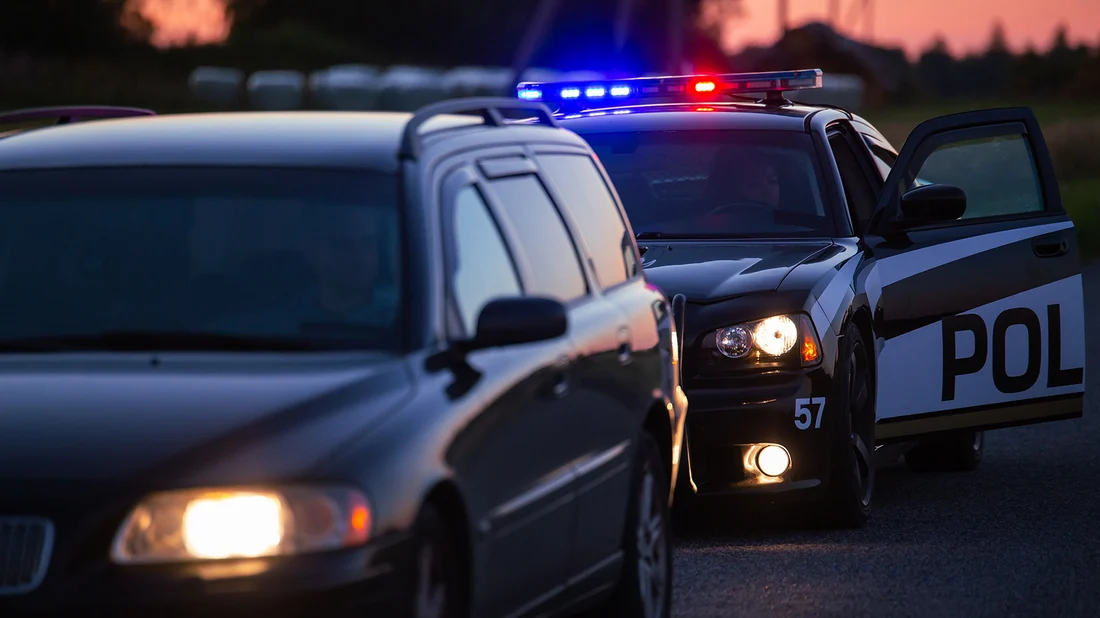
Seeing flashing lights in your mirror can be stressful—especially on your first U.S. road trip. Here’s how a typical traffic stop works, which documents officers usually request, and the simple etiquette that keeps everyone relaxed. Whether you just picked up a car rental at Orlando (MCO) or you’re cruising the Pacific Coast, the steps below apply widely across the country.
How to pull over safely
- Signal and slow down: Put on your right indicator, ease off the throttle, and look for a safe shoulder or the next exit.
- Park and stay inside: Shift to park, set the parking brake, switch off music, and keep both hands visible on the wheel.
- Night stops: Turn on the cabin light after stopping so the officer can see inside clearly.
- Passengers: Ask them to stay still and quiet unless asked to speak.
Documents officers may request
- Driver’s license (carry your passport if you’re a visitor).
- Rental agreement and proof of insurance—keep the paper or app confirmation handy.
- International Driving Permit (IDP) if your license isn’t in English; it’s a translation, not a separate license.
What to say and do
- Be courteous and clear: Lower the window, say hello, and wait for instructions. If you need to reach for the glovebox or phone, say, “I’m going to get the rental papers now.”
- Answer questions briefly: Provide your destination and reason for travel if asked. You don’t have to volunteer extra details.
- Sign now, contest later: If you receive a citation, you typically sign to acknowledge receipt—not to admit guilt.
- No on‑road payments: In the U.S., you normally pay citations online or by mail, not on the roadside.
Helpful planning links
Arriving through South Florida? Compare car hire at Miami International (MIA) to choose a vehicle with the driver‑assist features you prefer. Flying into the west? Review LAX pickup tips. Headed for Texas hill country? Skim Austin‑Bergstrom guidance. For desert routes and bright sun, see our Las Vegas arrivals guide.
After the stop
- Drive away calmly: Signal, check mirrors, and re‑enter traffic when clear.
- Questions about paperwork? Message Hola Car Rentals—our team can resend insurance proof or your voucher if needed.
- Concerned about a charge or citation? Keep the record number and receipt; we’ll help you coordinate with the supplier and authorities.
Why book with Hola Car Rentals
- All‑Inclusive+ Rate with maximum coverage and up to $150,000 in free travel insurance.
- No additional fees—save up to 60% with member deals.
- Cashback on tolls on selected itineraries.
- Free cancellation up to 48 hours before pick‑up.
FAQ
- Can I record the stop? In many places you may record from inside your car as long as you don’t interfere. Keep the phone mounted if possible.
- Do I need an IDP? Not always, but it helps if your license isn’t in English and speeds up verification during a stop.
- What if the officer asks me to step out? Follow instructions calmly and keep hands visible; lock the car only if asked.
With the right documents and a calm approach, traffic stops are straightforward. Book with Hola Car Rentals for clear insurance, flexible policies, and friendly support wherever you drive.
Common myths—cleared up
- “I should get out to meet the officer.” Stay seated unless told otherwise.
- “I must pay cash immediately.” No—citations are paid later by official channels.
- “A foreign license isn’t valid.” Visitors can usually drive with a valid home license; an IDP is a helpful translation.
Extra tips
- Store your rental agreement and insurance in the center console so you’re not searching at the roadside.
- Set the language on your navigation to English (U.S.) to match sign wording.
- If English is not your first language, you can politely ask the officer to speak slowly or repeat a question.































































































