


Quick Summary:
- LDW often covers vandalism damage, but you may still owe an excess.
- Attempted theft is usually covered if police report rules are followed.
- Exclusions include negligence, keys left unattended, or unauthorised drivers.
- Confirm cover limits, deductible, fees, and reporting deadlines before signing.
When you arrange car hire in Los Angeles, “LDW” can look like a simple tick box that makes worries disappear. In reality, Loss Damage Waiver is a contract term that changes what you owe if the vehicle is damaged or stolen, and it can differ by supplier, booking channel, and even vehicle class. If you are asking whether LDW covers vandalism or an attempted theft, you are asking the right question, because these incidents sit right at the border between “damage” and “theft”, and the fine print matters.
This guide explains what LDW usually covers, common exclusions that can leave you paying, and the exact rental agreement details to confirm before you sign at the counter in Los Angeles. If you want to compare providers and terms on a Los Angeles pick-up, start with the main car rental Los Angeles LAX page so you know which supplier’s conditions apply to your booking.
What LDW usually means on a Los Angeles rental
LDW is typically a waiver that reduces or removes your financial responsibility for damage to the rental vehicle. It is often described alongside CDW (Collision Damage Waiver). In many US car hire contracts, LDW is the broader term that can include both collision damage and theft, but you cannot assume it includes everything or that it is “zero cost” if something happens.
In practice, LDW commonly addresses: damage from collision, damage from vandalism, and loss from theft. Even when those perils are included, you may still have to pay an excess (also called a deductible) or additional charges such as loss of use, diminution of value, or administrative fees, depending on the terms you accept.
Does LDW cover vandalism?
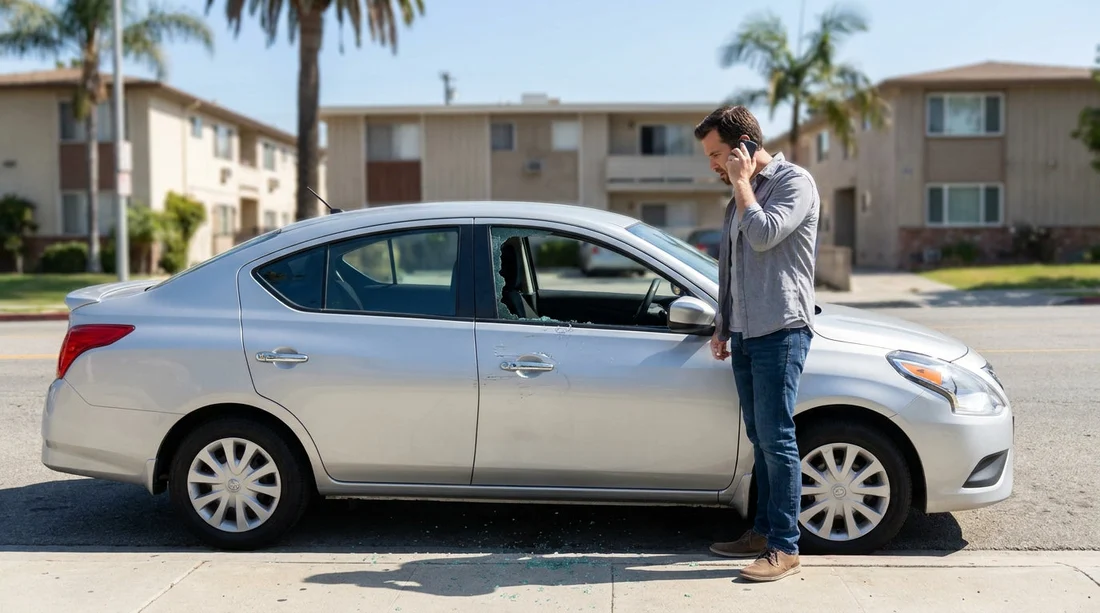
Vandalism is often treated as “damage to the vehicle”, so LDW frequently applies. Typical examples include scratched paintwork, broken mirrors, smashed windows, or body damage while parked. However, whether you pay nothing, only an excess, or more than an excess depends on the agreement and on whether you complied with the conditions.
Where travellers get caught out is assuming that any vandalism is automatically waived. Many suppliers require prompt reporting, documentation, and a police report for malicious damage. Some also treat glass and tyres separately, meaning LDW may cover body damage but not a broken window or slashed tyre unless your version of LDW explicitly includes them.
Los Angeles is a large city with many parking environments, from hotel garages to street parking near beaches and attractions. Before you sign, check whether your contract handles glass, tyres, underbody, roof, and towing under LDW or as separate exclusions. If you are collecting at a major hub, it is worth reviewing terms in advance on pages like Hertz car hire California LAX to understand how wording can vary between suppliers.
Does LDW cover attempted theft?
An attempted theft usually causes damage rather than a total loss. Think broken door locks, damaged ignition, or smashed glass from a break-in. LDW often applies to that damage as “vandalism” or “theft-related damage”, but only if you meet the reporting requirements and there is no excluded conduct.
Important nuance: some contracts distinguish between “theft of the vehicle” and “theft of personal belongings from the vehicle”. LDW generally relates to the rental car itself, not your contents. If a break-in leads to stolen luggage, that loss is typically outside LDW and may fall under your travel insurance or home contents cover.
For an attempted theft claim to be accepted, suppliers commonly expect a timely police report, evidence of forced entry, and cooperation with their instructions. In a busy location like Los Angeles, waiting until the next day or failing to obtain a report number can create problems, even if the incident was genuine.
What to confirm on the rental agreement before you sign
Counter staff may summarise cover in general terms, but your binding terms are the rental agreement and the supplier’s policies referenced in it. Before signing, confirm these specifics in writing:
1) Is vandalism explicitly included under LDW? Look for wording that includes vandalism, malicious mischief, or theft-related damage.
2) Does LDW include attempted theft damage as well as vehicle theft? Some policies focus on theft of the vehicle, while break-in damage is treated under damage cover. You want clarity that both are handled.
3) What is the excess, and when is it charged? Confirm the deductible amount and whether it applies per incident. Ask how authorisations, deposits, and charges work if the car needs repairs.
4) Are glass, tyres, wheels, roof, and underbody included? Break-ins often involve glass. If glass is excluded, you may still face a large bill even though you “have LDW”.
5) What documentation is required? Ask whether a police report is mandatory for vandalism, attempted theft, or both, and what timeframe applies. Also confirm whether photos are required and where to upload them.
6) Are there additional fees beyond repair costs? Many agreements mention loss of use, administrative fees, towing, storage, and appraisal. Understand which of these are waived by LDW and which remain payable.
7) Who is allowed to drive? Make sure all drivers are added and listed. An unauthorised driver is one of the quickest ways to lose LDW protection.
If you are travelling with family or a group, vehicle type can also affect decisions about where you park and how you manage keys and luggage. Larger vehicles can invite different risks, so it helps to review options such as minivan rental California LAX and plan safe loading and unloading routines.
What to do immediately after vandalism or attempted theft in Los Angeles
If something happens, your actions in the first hour can determine whether LDW applies smoothly. First, ensure everyone is safe. Then take clear photos of the damage, the surrounding area, and any signs of forced entry. If items were stolen, document what is missing, but avoid disturbing fingerprints if the police are attending.
Next, contact the rental company using the number on your agreement, and follow their instructions. Many suppliers require you to file an incident report and may direct you to a specific repair shop or exchange location. In Los Angeles, that might mean returning to the airport area or a nearby city branch depending on hours.
File a police report if required, and even if it is optional, it is often helpful for attempted theft or malicious damage. Keep the report number and any paperwork. Also keep receipts for towing or emergency services if authorised. Finally, do not authorise repairs yourself unless the rental company explicitly instructs you to do so.
If you are comparing pick-up points outside Los Angeles for a wider California itinerary, remember terms can differ by supplier and location. Reviewing pages like car rental Santa Ana SNA can help you compare conditions before you travel between airports.
FAQ
Does LDW always include vandalism on car hire in Los Angeles? Not always. Vandalism is often covered as damage, but some contracts exclude glass, tyres, or require a police report to keep LDW valid.
Is attempted theft treated the same as theft under LDW? Sometimes. Many suppliers cover attempted theft damage under LDW, but usually only with evidence of forced entry and timely reporting.
Will LDW cover stolen personal items from the rental car? Typically no. LDW is generally for the vehicle itself, not your belongings, so you may need travel insurance or contents cover.
What could cause my LDW claim to be rejected after a break-in? Common reasons include leaving keys accessible, an unauthorised driver, failing to report promptly, or not obtaining required police documentation.
What should I check on the rental agreement before I sign? Confirm vandalism and theft-related damage are included, the excess amount, excluded parts like glass and tyres, documentation requirements, and any extra fees not waived.






























































































