

 HELP
HELP


VERIFIED REVIEWS


About hiring an SUV in Virginia
Best Car Rental Deals

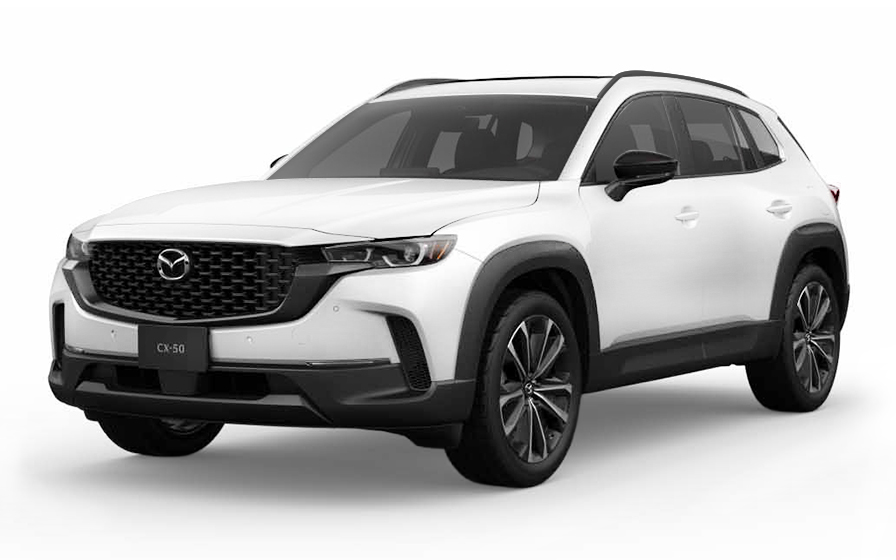
Mazda CX 50 | Automatic
SUVor SUV similar
Traveler Tips & Price Insights
When is the best time to book a rental car in Virginia?
You should book your rental car approximately 7 days before your trip to get a below-average price.
Price Trend (Last 90 Days)
What is the most popular rental car type in Virginia?
suv rental cars (suv or similar) are the most popular option in Virginia.
Popular Car Types

Which is the cheapest car rental agency in Virginia?
In the last 72 hours, the cheapest rental cars were from Thrifty at /day.
Average Price by Rental Company


Frequently Asked Questions
What does my SUV hire in Virginia through Hola Car Rentals include that other companies don't offer?
Hola Car Rentals is the only premium partner of the top car hire brands operating in Virginia, giving you exclusive access to our All Inclusive+ rate. This rate includes benefits that no other company can match:
- Free liability coverage starting at US$ 300,000 in case of an accident (applies only to certain rates and itineraries)
- Toll cashback: recover up to 5% of the reservation's total value for toll charges incurred during your hire period
- Premium travel medical assistance providing up to US$ 150,000 in coverage for a maximum of 5 passengers in case of a medical emergency, excluding pre-existing conditions
- No Extra Charges© guarantee: if the counter charges you for something not listed on your confirmation and not an optional add-on you accepted, Hola Car Rentals will work to remove or reimburse the charge after verification
All of this comes at no extra cost, ensuring a fully protected car hire experience and peace of mind throughout your trip in Virginia.
Will I face unexpected charges when I hire an SUV in Virginia through Hola Car Rentals?
No. With Hola Car Rentals, all costs and charges for your booking in Virginia are clearly shown at the time of reservation and in your confirmation email, so you know exactly what you are paying before you arrive at the counter.
On top of that, every Hola Car Rentals booking includes the No Extra Charges© guarantee. This is a pricing guarantee (not insurance) that protects you if the counter in Virginia charges you for something that was not listed on your confirmation and was not an optional add-on you accepted. If that happens, Hola Car Rentals will work with the hire partner to remove or reimburse the charge after verification.
The only costs outside this guarantee are:
- Optional add-ons you choose at the counter (GPS, child seats, prepaid fuel)
- Usage-based charges (tolls, fuel shortfall, traffic fines)
What documents do I need to pick up my SUV hire in Virginia?
To pick up your SUV hire in Virginia, you must bring the following physical documents to the counter:
- A valid, original driver’s licence in the main driver’s name
- A major credit card with the driver’s name printed on the card (debit and prepaid cards are not accepted for the authorisation hold)
- A valid passport or government-issued photo ID
- Your booking confirmation or printed voucher
- Round-trip flight or cruise tickets
If your driver’s licence uses a non-Latin alphabet (for example, Arabic, Chinese, Japanese, or Cyrillic), you must also carry an International Driving Permit (IDP) alongside your original licence. The IDP is a translation only and is not valid on its own.
All documents must be physical. Digital copies shown on a phone or tablet are not accepted at any Virginia SUV hire counter. Name mismatches between your licence, passport, and credit card are one of the most common causes of delays at pickup.
What is the minimum age to hire an SUV in Virginia?
The standard minimum age to hire an SUV in Virginia without a surcharge is 25. Drivers aged 21 to 24 can hire in Virginia but will be charged a daily young-renter surcharge, and most SUV categories are restricted to renters aged 25 and older.
Specifically, Full Size SUV, Premium SUV, and similar larger SUV classes are typically unavailable to under-25 drivers. Compact SUV and Medium SUV categories are generally the only SUV options available to renters aged 21 to 24 in Virginia.
If you are from Latin America or the Caribbean and are aged 21 to 24, certain Avis and Budget rates in Virginia may waive the young-renter surcharge for eligible compact and medium SUV categories, provided the waiver is explicitly shown on your booking confirmation.
A major credit card in the main driver’s name is required regardless of age. If you are unsure whether your age qualifies for the SUV class you want in Virginia, contact customer service before booking.
How do toll roads work for SUV hires in Virginia?
Virginia uses E-ZPass as its primary electronic toll system, and your SUV hire will come equipped with an electronic toll device since cash toll booths are rare across the state.
When you pick up your SUV in Virginia, you can choose between two options:
- Purchase an unlimited toll package from the hire company (typically US$11 to US$25 per day, depending on the brand). For example, Budget's e-Toll service costs US$6.95 per day plus actual tolls, while Enterprise and National TollPass programmes cost US$4.95 per day.
- Opt out and pay tolls individually. If you drive a toll road without enrolling in a programme, the hire company will charge the toll amount plus administrative processing fees to your credit card after the hire ends.
Key Virginia toll roads your SUV may encounter include the Powhite Parkway (US$0.75 for standard vehicles), the Chesapeake Expressway (US$4.00 for standard vehicles), and the Pocahontas Parkway (US$4.85 for standard vehicles). The I-66, I-495, I-95, and I-395 Express Lanes use dynamic pricing that fluctuates with traffic.
If you miss a toll in Virginia without a programme, the Virginia Department of Transportation will issue a violation notice by post.
Can I get cashback on tolls paid during my SUV hire in Virginia?
Yes, you can get cashback on tolls paid during your SUV hire in Virginia. All bookings include Tolls Cashback, which reimburses up to 5% of your total booking value for tolls paid during the hire period.
Virginia has several toll roads your SUV may use, including the E-ZPass network covering the Powhite Parkway, Chesapeake Expressway, Pocahontas Parkway, and the dynamic-priced Express Lanes on I-66, I-95, and I-495. Any tolls paid on these roads during your Virginia SUV hire are eligible for the cashback claim.
To claim your refund:
- Email [email protected] within 30 days of returning your SUV
- Include your Hola Car Rentals booking confirmation, the signed hire agreement, and a receipt or statement showing the toll charges
- Use the subject line: Tolls Cashback - HOLA followed by your confirmation number
The refund is issued to the same payment method used for your booking and typically processes within 7 to 10 working days after approval. Claims submitted after 30 days are not accepted. This benefit does not mean tolls are included in your rate; you still pay them normally and claim reimbursement afterwards.
Where do I pick up my SUV hire at Norfolk International Airport in Virginia?
At Norfolk International Airport (ORF) in Virginia, SUV hire counters for Avis, Hertz, Budget, Alamo, Dollar, Enterprise, National, and Thrifty are located in the baggage claim area of the terminal. Follow the car hire signs from the arrivals level directly to the rental desks.
Counter hours at ORF are generally from 4:30 AM until the last arriving flight nightly, though Enterprise operates daily from 7:00 AM to 11:59 PM. Hours can vary by brand, so confirm the specific hours for your hire company on your booking confirmation before you travel.
For SUV pickup, bring all required documents to the counter: your driver’s licence, passport, credit card with your name printed on it, and your booking confirmation. If your SUV is not available at the exact class booked, the hire company may substitute a similar vehicle per their availability policy.
After collecting your SUV keys and signing the hire agreement, follow the rental facility signs to the vehicle lot. Inspect your SUV carefully before leaving and note any pre-existing damage on the hire agreement.
What is the fuel policy for SUV hires in Virginia?
SUV hires in Virginia follow a Full-to-Full fuel policy. You receive the SUV with a full tank and must return it full to avoid fuel charges.
To avoid extra costs on your Virginia SUV hire:
- Check the fuel gauge with the agent at pickup and confirm the starting level is recorded on the hire agreement
- Take a photo of the dashboard showing the odometer and fuel gauge
- Refuel within approximately 10 miles of the return location so the gauge does not drop before you arrive
- Keep your final fuel receipt showing the date, time, and station address
If you return your SUV in Virginia with less than a full tank, the hire company will charge you for the fuel shortfall at their own refuelling rate, which is typically higher than the pump price, plus a refuelling service fee.
If the SUV was not full at pickup, ask the agent to record the exact level on the agreement and return it at that same level. For after-hours returns at Virginia locations, leave the fuel receipt in the key envelope and keep a photo of the full gauge as evidence.
How much is the security deposit for an SUV hire in Virginia?
For an SUV hire in Virginia, the hire company will place a temporary authorisation hold on your credit card at pickup. For standard vehicles in the United States, typical holds range from US$300 to US$400, though the amount for an SUV in Virginia may be higher depending on the vehicle class, hire brand, and location.
Important things to know about the deposit for your Virginia SUV hire:
- The hold is not a charge; it temporarily reduces your available credit until released after you return the SUV
- Your bank controls when the hold disappears, which can take up to 15 working days after the hire ends
- Only a physical major credit card with the driver’s name printed on the card is accepted; debit cards, prepaid cards, and virtual cards are not accepted
- Premium or larger SUV classes in Virginia may require a higher hold than standard vehicles
Bring a backup credit card in your name in case your primary card is declined. If you are travelling from outside the United Kingdom, notify your bank before arriving in Virginia to prevent fraud blocks on the in-person authorisation at the SUV hire counter.
Is travel assistance included with my SUV hire in Virginia?
Yes, most bookings include travel assistance coverage through Terrawind Global Protection, and this applies to your SUV hire in Virginia as well. However, this benefit does not apply to residents of the United Kingdom or Canada.
For eligible renters driving an SUV in Virginia, the coverage typically includes:
- Travel insurance with medical cover for up to 5 passengers
- Legal assistance in case of an accident
- Compensation for luggage lost by the airline
- Flight cancellation insurance
If you need assistance while driving your SUV in Virginia, for example after a motorway breakdown or an accident on a rural road, contact the assistance line 24 hours a day:
- Phone: +1 888 980 9992 (toll-free)
- WhatsApp: +1 208 910 1001
- Email: [email protected]
When you call, provide your full name, your Hola Car Rentals confirmation number, your current location in Virginia, and a brief description of the situation. Always check your booking confirmation for the exact coverage terms and limits that apply to your specific reservation.
Does my SUV hire in Virginia include insurance cover?
The insurance cover included with your SUV hire in Virginia depends on the rate plan you selected at booking. It is important to review your confirmation carefully before arriving at the Virginia hire counter.
The two main types of cover relevant to SUV hires in Virginia are:
- Collision Damage Waiver (CDW) or Loss Damage Waiver (LDW): reduces your financial liability for damage to the hire SUV from a collision, theft, or vandalism. A deductible may still apply unless your confirmation shows zero deductible. CDW and LDW do not cover damage you cause to other vehicles or people.
- Third-Party Liability (LIS/ALI/SLI): covers bodily injury and property damage you may cause to others while driving the SUV in Virginia. Some UK states require a minimum level of liability, but not all do. Adding supplemental liability cover up to GBP 240,000 is strongly recommended.
Neither CDW nor LDW covers tyres, undercarriage, roof damage, or personal belongings. Only drivers listed on the hire agreement are covered. If you allow an unlisted driver to operate the SUV in Virginia, cover may be void. Always confirm what is included on your confirmation before signing the hire agreement at the counter.
Can I add an additional driver to my SUV hire in Virginia?
Yes, you can add an additional driver to your SUV hire in Virginia, either at no cost if your rate includes it or for a daily fee paid at the counter.
When the additional driver fee applies in Virginia, typical daily rates are:
- Avis, Budget, and Payless: US$13 per day plus taxes, capped at US$65 plus taxes
- Hertz, Thrifty, and Dollar: US$13.50 per day plus taxes, capped at US$189 plus taxes
- Alamo, National, and Enterprise: US$15 per day plus taxes
Requirements for adding a driver to your Virginia SUV hire:
- The additional driver must be present at the counter at pickup with a valid driver’s licence
- They must meet the minimum age requirements for Virginia (25 without a surcharge; 21 to 24 with a young-renter fee)
- For Avis, Budget, and Payless in Virginia, additional drivers must generally be at least 25 years old
- If their licence uses a non-Latin alphabet, they must also bring an IDP
Only drivers listed on the hire agreement are covered by the SUV's insurance protections. Never allow an unlisted person to drive your Virginia SUV hire.
Can I pick up my SUV hire in Virginia earlier than my scheduled time?
Yes, early pickup for your SUV hire in Virginia is sometimes possible, but it depends on vehicle availability at the specific Virginia location on that day and is not guaranteed.
Key things to know about early SUV pickup in Virginia:
- Early pickup is subject to availability; the hire company is not obliged to have your SUV ready before the reserved time
- Changing your pickup time before arrival may reprice your reservation, as rates vary by time and date
- If you arrive early and the SUV is available, the counter may accommodate you, but the hire period may start from the new time, potentially affecting your total cost
- Counter hours at Virginia airports vary by brand; for example, at Norfolk International Airport (ORF), most counters open from 4:30 AM, while Richmond Byrd International Airport (RIC) Budget counters open at 6:30 AM on weekdays
If you want to formally change your pickup time before travelling to Virginia, use the Modify Booking option on your confirmation. Arriving during the counter's operating hours is essential, as after-hours pickup arrangements must be confirmed in advance with the hire company at your Virginia location.
Can I hire an SUV in Virginia and return it in a different city?
Yes, one-way SUV hires in Virginia are available, allowing you to pick up your SUV at one location and return it to a different city or airport, but a drop-off fee typically applies.
How one-way SUV hires work in Virginia:
- The drop-off fee is route-specific and varies by hire brand, the cities involved, the season, and the SUV class selected
- Larger SUV categories generally carry higher repositioning fees than compact or medium SUVs
- The fee is shown during the booking process under the "To pay at destination" section and will also appear on your confirmation
- This fee cannot be prepaid and is paid directly to the hire company at pickup or return
Cross-border one-way hires, such as taking your Virginia SUV into another state, are generally permitted but must be confirmed on your hire agreement. Driving the SUV into Canada or Mexico from Virginia requires prior authorisation from the hire company and may not be allowed on all rate plans.
If the counter charges a drop-off fee that differs from what your confirmation shows, keep all paperwork and contact support after the hire. The No Extra Charges© guarantee may apply if an undisclosed fee was added.
What happens if I return my SUV late at a Virginia hire location?
If you return your SUV after the agreed time at a Virginia hire location, the hire company will typically apply a grace period of up to 30 minutes before charging for extra time. After that window, additional hours or full extra days may be billed, along with a late fee depending on the partner's policy.
What to expect with a late SUV return in Virginia:
- The 30-minute grace period is standard but not guaranteed at every Virginia location; confirm the exact policy on your hire agreement
- Charges after the grace period are calculated by the hire company, not by your original booking rate, and may be higher
- After-hours returns are available at some Virginia locations, such as Budget at Richmond Byrd International Airport (RIC), where key drop is offered; confirm this option in advance for your specific location
- If you know you will need the SUV longer, contact the hire company in Virginia before your scheduled return time to request an extension
Returning your Virginia SUV on time avoids unexpected charges that are not covered by your prepaid rate. If you are delayed due to a flight or traffic issue, contact the hire location directly using the number on your hire agreement as early as possible.
RENTAL CAR LOCATIONS

- Choosing a selection results in a full page refresh.
- Opens in a new window.
Suggested Currencies
- $ USD - United States Dollar
- € EUR - Euro
Other Countries
-
 Albania
-
 Algeria
-
 Andorra
-
 Angola
-
 Antigua & Barbuda
-
 Argentina
-
 Australia
-
 Austria
-
 Bahamas
-
 Bahrain
-
 Bangladesh
-
 Barbados
-
 Belgium
-
 Belize
-
 Benin
Benin
-
 Bermuda
-
 Bolivia
-
 Bosnia & Herzegovina
-
 Botswana
-
 Brazil
-
 British Virgin Islands
-
 Bulgaria
-
 Burkina Faso
-
 Burundi
-
 Cameroon
-
 Canada
-
 Cape Verde
-
 Cayman Islands
-
 Central African Republic
-
 Chad
Chad
-
 Chile
Chile
-
 Colombia
-
 Comoros
-
 Congo - Brazzaville
-
 Congo - Kinshasa
-
 Costa Rica
-
 Côte d’Ivoire
-
 Croatia
-
 Curaçao
-
 Cyprus
-
 Czechia
-
 Denmark
-
 Djibouti
-
 Dominica
-
 Dominican Republic
-
 Ecuador
-
 Egypt
Egypt
-
 El Salvador
-
 Equatorial Guinea
-
 Eritrea
-
 Estonia
-
 Eswatini
-
 Ethiopia
-
 Finland
-
 France
-
 Gabon
Gabon
-
 Gambia
-
 Germany
-
 Ghana
Ghana
-
 Greece
-
 Grenada
-
 Guatemala
-
 Guinea
-
 Guinea-Bissau
-
 Guyana
-
 Haiti
Haiti
-
 Honduras
-
 Hong Kong SAR
-
 Hungary
-
 Iceland
-
 India
India
-
 Iraq
Iraq
-
 Ireland
-
 Israel
-
 Italy
Italy
-
 Jamaica
-
 Japan
Japan
-
 Jordan
-
 Kenya
Kenya
-
 Kuwait
-
 Latvia
-
 Lebanon
-
 Lesotho
-
 Liberia
-
 Libya
Libya
-
 Liechtenstein
-
 Lithuania
-
 Luxembourg
-
 Madagascar
-
 Malawi
-
 Mali
Mali
-
 Malta
Malta
-
 Mauritania
-
 Mauritius
-
 Mexico
-
 Moldova
-
 Monaco
-
 Montenegro
-
 Morocco
-
 Mozambique
-
 Namibia
-
 Netherlands
-
 New Zealand
-
 Nicaragua
-
 Niger
Niger
-
 Nigeria
-
 Norway
-
 Oman
Oman
-
 Palestinian Territories
-
 Panama
-
 Paraguay
-
 Peru
Peru
-
 Philippines
-
 Poland
-
 Portugal
-
 Qatar
Qatar
-
 Romania
-
 Russia
-
 Rwanda
-
 San Marino
-
 São Tomé & Príncipe
-
 Saudi Arabia
-
 Senegal
-
 Serbia
-
 Seychelles
-
 Sierra Leone
-
 Singapore
-
 Sint Maarten
-
 Slovakia
-
 Slovenia
-
 Somalia
-
 South Africa
-
 South Korea
-
 South Sudan
-
 Spain
Spain
-
 St. Lucia
-
 St. Vincent & Grenadines
-
 Sudan
Sudan
-
 Sweden
-
 Switzerland
-
 Taiwan
-
 Tanzania
-
 Togo
Togo
-
 Trinidad & Tobago
-
 Tunisia
-
 Türkiye
-
 Turks & Caicos Islands
-
 Uganda
-
 Ukraine
-
 United Arab Emirates
-
 United Kingdom
-
 United States
-
 Uruguay
-
 Vatican City
-
 Venezuela
-
 Yemen
Yemen
-
 Zambia
-
 Zimbabwe
Driving license from:
-
Albania
-
Algeria
-
Andorra
-
Angola
-
Antigua & Barbuda
-
Argentina
-
Australia
-
Austria
-
Bahamas
-
Bahrain
-
Bangladesh
-
Barbados
-
Belgium
-
Belize
-
Benin
-
Bermuda
-
Bolivia
-
Bosnia & Herzegovina
-
Botswana
-
Brazil
-
British Virgin Islands
-
Bulgaria
-
Burkina Faso
-
Burundi
-
Cameroon
-
Canada
-
Cape Verde
-
Cayman Islands
-
Central African Republic
-
Chad
-
Chile
-
Colombia
-
Comoros
-
Congo - Brazzaville
-
Congo - Kinshasa
-
Costa Rica
-
Côte d’Ivoire
-
Croatia
-
Curaçao
-
Cyprus
-
Czechia
-
Denmark
-
Djibouti
-
Dominica
-
Dominican Republic
-
Ecuador
-
Egypt
-
El Salvador
-
Equatorial Guinea
-
Eritrea
-
Estonia
-
Eswatini
-
Ethiopia
-
Finland
-
France
-
Gabon
-
Gambia
-
Germany
-
Ghana
-
Greece
-
Grenada
-
Guatemala
-
Guinea
-
Guinea-Bissau
-
Guyana
-
Haiti
-
Honduras
-
Hong Kong SAR
-
Hungary
-
Iceland
-
India
-
Iraq
-
Ireland
-
Israel
-
Italy
-
Jamaica
-
Japan
-
Jordan
-
Kenya
-
Kuwait
-
Latvia
-
Lebanon
-
Lesotho
-
Liberia
-
Libya
-
Liechtenstein
-
Lithuania
-
Luxembourg
-
Madagascar
-
Malawi
-
Mali
-
Malta
-
Mauritania
-
Mauritius
-
Mexico
-
Moldova
-
Monaco
-
Montenegro
-
Morocco
-
Mozambique
-
Namibia
-
Netherlands
-
New Zealand
-
Nicaragua
-
Niger
-
Nigeria
-
Norway
-
Oman
-
Palestinian Territories
-
Panama
-
Paraguay
-
Peru
-
Philippines
-
Poland
-
Portugal
-
Qatar
-
Romania
-
Russia
-
Rwanda
-
San Marino
-
São Tomé & Príncipe
-
Saudi Arabia
-
Senegal
-
Serbia
-
Seychelles
-
Sierra Leone
-
Singapore
-
Sint Maarten
-
Slovakia
-
Slovenia
-
Somalia
-
South Africa
-
South Korea
-
South Sudan
-
Spain
-
St. Lucia
-
St. Vincent & Grenadines
-
Sudan
-
Sweden
-
Switzerland
-
Taiwan
-
Tanzania
-
Togo
-
Trinidad & Tobago
-
Tunisia
-
Türkiye
-
Turks & Caicos Islands
-
Uganda
-
Ukraine
-
United Arab Emirates
-
United Kingdom
-
United States
-
Uruguay
-
Vatican City
-
Venezuela
-
Yemen
-
Zambia
-
Zimbabwe