


Quick Summary:
- Only stop in a loading zone during posted hours, for active loading.
- Read the entire sign stack, including time plates and vehicle restrictions.
- Expect very short tolerance, stay with the car, keep hazards off.
- Avoid corners, bus stops, hydrants, and driveways where towing is common.
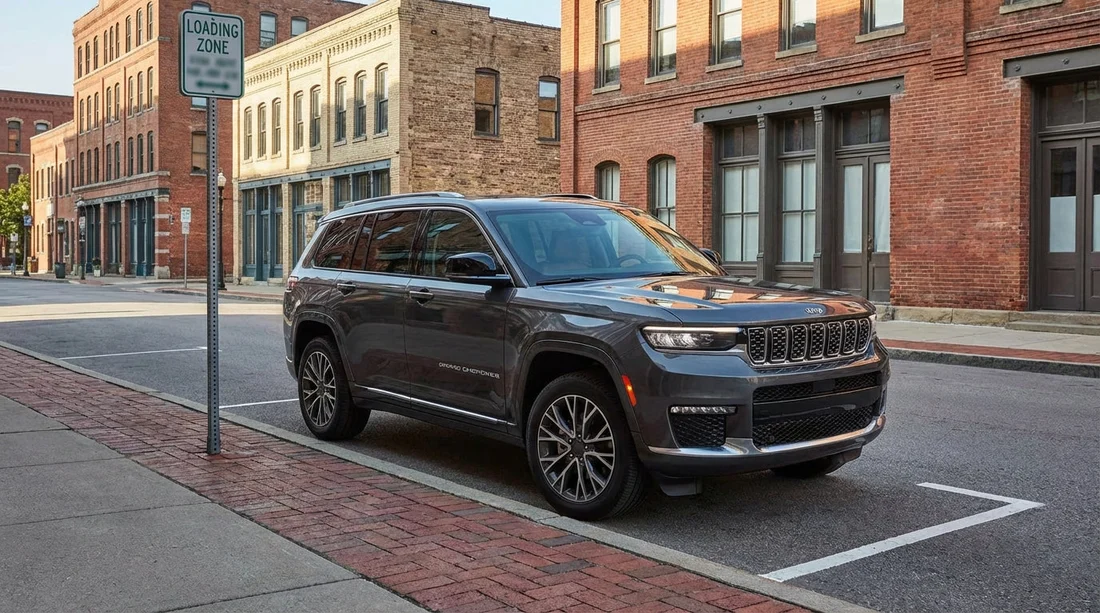
In Philadelphia, a “Loading Zone” is not a free short-stay space. It is a kerbside space reserved for the continuous movement of goods, luggage, or passengers, usually during specific hours, and often with restrictions on who may use it. If you are using a car hire vehicle in Pennsylvania and need to stop near a hotel, apartment, or office, the difference between a legal loading stop and a ticket often comes down to one thing: whether your stop looks like real, continuous loading under the exact sign wording.
This guide breaks down how to interpret typical Philadelphia loading zone signs and time plates, how long loading is usually tolerated in practice, what behaviours and locations trigger towing, and safer alternatives when you just need a quick drop-off.
What “Loading Zone” generally means in Philadelphia
A loading zone is intended for picking up or dropping off people and property, not for waiting. Enforcement officers often look for two signals: the posted rules on the sign, and your behaviour at the kerb. If you are sitting in the driver’s seat scrolling on your phone, or you have left the vehicle and disappeared into a lobby, it can look like parking rather than loading.
Loading zones can also be limited to certain types of vehicles. Some are designed for commercial vehicles only, and others allow passenger vehicles for brief loading. With a car hire in Philadelphia, you must assume the strictest interpretation until the sign clearly says otherwise.
If your trip starts at the airport, it can help to plan your first city stop in advance while arranging your rental through a page like Philadelphia Airport car rental, because kerbside access at busy downtown properties can be tight.
How to read loading zone signs and time plates
Philadelphia often uses a sign stack, a main sign plus one or more small plates showing time windows, day ranges, and exceptions. To decide whether you can stop without a ticket, read from top to bottom and combine the instructions. Do not rely on a single word like “Loading” or “Commercial”.
1) Look for vehicle type rules
Common wording includes “Commercial Vehicles Only”, “Truck Loading Only”, or “Passenger Loading Only”. If the sign limits use to commercial vehicles, a standard car hire vehicle can be cited even if you are actively unloading luggage. Some areas use “Goods Loading Zone” wording, which is usually interpreted as freight rather than passengers.
2) Identify the time window
Time plates may show “Mon-Fri 7AM-6PM” or similar. If you stop outside those times, the zone may revert to normal parking rules, or it may become a different restriction entirely. Sometimes the same kerb is a loading zone at peak hours and a paid parking space at other times. If you only glance at the loading plate and miss the paid parking sign below it, you can end up overstaying what is allowed.
3) Watch for maximum time limits
Some zones display a “15 MIN” or “30 MIN” limit, sometimes only for commercial vehicles. If there is a time limit and you can use the zone, treat the limit as the outer boundary, not the typical tolerance. In practice, enforcement can occur much sooner if your activity does not look like continuous loading.
4) Check for peak restrictions and special corridors
In dense areas, you may see “No Stopping” or “No Standing” during rush hours on the same block. A loading zone nearby does not override a higher-priority restriction where you are actually stopped. Also check for temporary signs related to construction, moving vans, or events, they can suspend normal rules.
5) Confirm you are aligned with the correct sign
Kerbside rules usually apply from the sign to the next sign, or for the length of the marked area. If you stop ten metres beyond the marked loading bay, you may be in a different restriction even though you can still see the loading sign behind you.
When you can stop without a ticket, practical scenarios
You are most likely to be safe if all of these are true: the sign permits passenger vehicles or does not restrict to commercial vehicles, you are within the posted days and times, you are actively loading or unloading, and you can move immediately if asked. Staying with the vehicle matters, because if the officer cannot locate the driver, they often treat the vehicle as parked.
Hotel drop-off with bags
If the sign allows passenger loading, pull fully into the space, keep the engine on, and unload quickly. Have a passenger take bags inside while you remain in the driver’s seat, or stand by the vehicle with keys ready. If you must go inside, limit it to the shortest possible check-in task and return immediately. If you are moving multiple bags, prioritise getting the vehicle out of the zone and then using a garage or legal space for the rest.
Apartment move-in with a few items
Loading zones are often used by residents for move-ins, which is exactly the situation that can attract enforcement because it easily turns into parking. If you need more than a few minutes, consider a legal paid space, a nearby garage, or arranging a permitted moving zone rather than gambling on a loading bay.
Passenger pick-up
“Passenger Loading” zones typically expect the passenger to be ready. Waiting for someone who is still coming downstairs can be treated as standing or parking. If the person is not at the kerb, loop the block or stage in a legal parking area.
For city driving where you may be stopping near accommodation, it helps to choose a rental that fits your route and parking realities, for example by comparing options on car rental in Philadelphia or, if you need space for luggage, van rental in Philadelphia.
How long is “loading” typically tolerated?
Even when a sign does not state a strict time limit, tolerance is usually short. Think in minutes, not tens of minutes. In busy Philadelphia corridors, enforcement is often proactive, and other drivers may complain if a bay is blocked. Officers commonly look for uninterrupted activity: doors open, items moving, or passengers entering and exiting.
A practical rule for a car hire driver is to plan for a two to five minute stop for luggage and a slightly longer stop only if the sign explicitly offers a longer limit and you can show continuous loading. If your stop becomes a waiting period, or you leave the vehicle unattended, you raise the risk of a ticket.
If the sign says “15 min”, treat that as the maximum under ideal conditions, not permission to disappear into a building. If you need fifteen minutes, it is often safer to use a garage or a legal metered space and walk back.
Actions that increase ticket risk in a loading zone
Leaving the car unattended
Many drivers assume hazards make it acceptable to step away. In practice, unattended vehicles are far more likely to be cited. If you must leave, have another licensed driver remain at the wheel.
Using hazards as a substitute for legality
Hazard lights do not create permission to stop. They can also draw attention to your vehicle, which can speed up enforcement if you are in a questionable spot.
Stopping in the wrong part of the bay
If the zone is marked and you are not entirely inside it, you can be cited under a different rule. Pull in tight to the kerb and avoid blocking a crosswalk line or corner radius.
Confusing “standing” with “loading”
Some signs distinguish between “No Standing” and “No Parking”. In many US cities, “standing” includes stopping to wait, even with the driver present. A loading zone is a narrow carve-out, and only for loading activity.
What hazards and locations commonly trigger towing
Towing is more likely when your vehicle creates a safety hazard or blocks critical access. Philadelphia is especially strict in areas where a stopped vehicle can choke traffic flow.
Hydrants and fire lanes
Never rely on “it will be quick”. Fire access rules are treated seriously, and towing can happen quickly.
Bus stops and trolley zones
Stopping in a bus stop, even for a moment, can lead to immediate enforcement, especially on busy routes.
Intersections, corners, and crosswalk approaches
Stopping too close to a corner reduces sight lines and can be treated as a safety violation. Corners also attract traffic enforcement.
Driveways, garage entrances, and loading docks
Blocking a driveway is a high-risk towing scenario because the obstruction is obvious and generates rapid complaints.
Travel lanes and bike lanes
Double-parking, bike-lane blocking, or stopping in a live lane is a fast route to citations and potential towing, particularly in Center City.
Safer alternatives for quick hotel or apartment drop-offs
Use a legal paid space for the first stop
If you are arriving with lots of luggage, the safest approach is to park once, legally, then do the unloading. Metered spaces can still be time-limited, but they are designed for short stays and reduce the chance of enforcement conflict.
Choose properties with off-street loading
Many hotels have a driveway, porte-cochere, or garage entrance where short unloading is expected. Call ahead and ask where to pull in. If they have a dedicated bay, use it rather than hunting for kerbside loading signage.
Stage nearby and do two trips
If your building is on a narrow street, park in a nearby legal spot, carry the essentials first, then move the vehicle later if needed. This is often less stressful than fighting for a loading zone.
Pick a vehicle size that matches kerbside reality
Larger vehicles can be harder to place fully within a marked zone. If you are considering different suppliers or categories for a city stay, you can compare options such as Hertz car hire in Philadelphia and Enterprise car hire in Philadelphia to match luggage needs with urban manoeuvrability.
Best practice checklist for a “no-ticket” loading stop
Before you pull in: read the full sign stack, confirm you are within the posted hours, and check whether passenger vehicles are allowed. If anything is unclear, do not risk it, keep moving and find a legal space.
When you stop: pull fully into the bay, keep the stop short, and keep the driver available to move immediately. Focus on continuous loading, not waiting.
When you leave: check mirrors for cyclists and traffic before merging out, because loading zones often sit beside bike lanes and bus routes.
FAQ
Can I use a Philadelphia loading zone in a car hire vehicle? Sometimes. You must follow the exact sign wording and time plates. If the zone says “Commercial Vehicles Only”, a normal passenger car hire may be ticketed even during active unloading.
Do hazard lights make it legal to stop in a loading zone? No. Hazard lights do not grant permission to stop or park. Enforcement is based on the posted restriction and whether you are actively loading.
How long can I stay in a loading zone without getting a ticket? There is no universal time. Even with a posted limit, officers often expect continuous loading and a very short stop. Plan for only a few minutes unless a longer limit is clearly posted and you remain with the vehicle.
What is most likely to get my vehicle towed near a loading zone? Blocking a driveway, hydrant access, bus stop, travel lane, or creating a corner visibility hazard can trigger towing quickly. These are treated as safety and access issues, not minor parking errors.
What is the safest way to unload at a hotel or apartment in Philadelphia? Prefer off-street loading areas, garages, or legal paid parking, then unload on foot. If you must use a loading zone, stay with the vehicle, load continuously, and leave as soon as the drop-off is done.




























































































