


Quick Summary:
- Check spare tyre or inflator, jack, and wheel key before leaving.
- Photograph any kit, warning triangle, and tyre condition at pick-up.
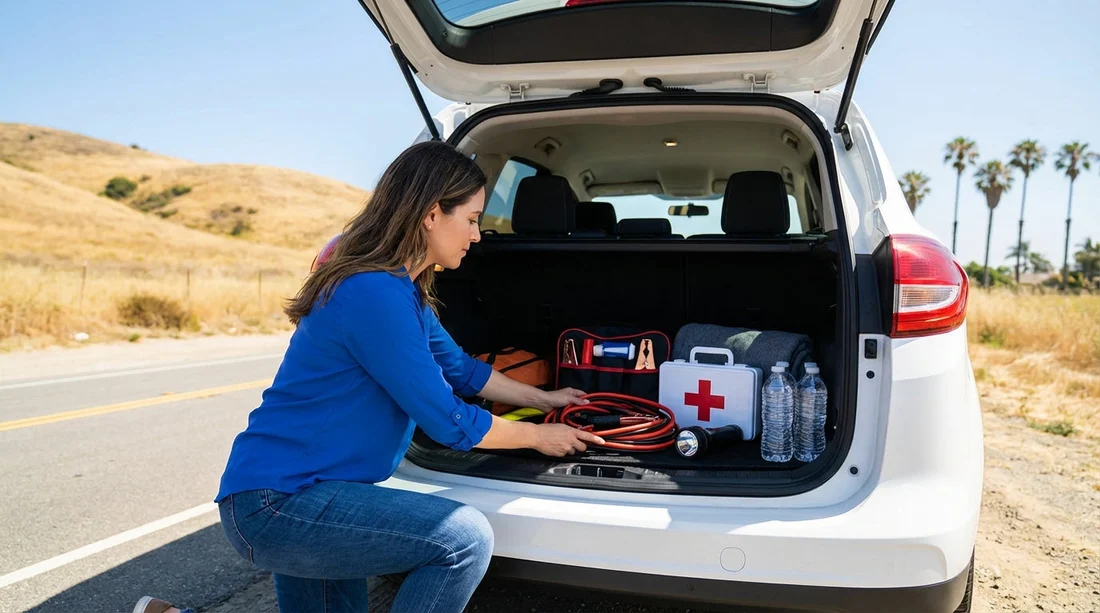
- Pack water, phone charger, torch, and first-aid items for long stretches.
- Keep receipts and return kit items to avoid missing-equipment fees.
Long drives in California can be brilliantly straightforward, until a puncture, dead phone battery, or overheating cabin turns into a stressful roadside wait. When you are using a car hire, the key difference versus your own vehicle is uncertainty: different fleets, different trim levels, and different rules about what must be returned. This guide explains what emergency equipment rentals typically include (and often do not), how to confirm it in a couple of minutes at pick-up, and a practical shopping list you can assemble without overpacking or risking damage fees.
If you are collecting from a busy airport location such as Los Angeles LAX or heading north from San Francisco SFO, a quick kit check is particularly worthwhile. Vehicles turn around fast, and small items disappear. A few photos and a short inspection can save time, money, and arguments later.
What a California hire car usually includes, and what varies
In California, a rental vehicle is generally road-legal without you doing anything extra, but that does not mean it carries a full emergency kit. Equipment varies by vehicle class, manufacturer, and rental brand. Expect differences between an economy saloon, a people carrier, and an SUV. For example, an SUV rental in California may have different cargo storage and tyre setup than a compact city car.
Typically included (but confirm): a spare tyre or a tyre mobility kit, basic tyre tools, and the car’s required documentation (registration and insurance paperwork are usually in the glovebox or a wallet). Many vehicles include a basic jack and wheel wrench, but some modern models do not. Instead, they carry a small compressor and sealant, which can be fine for a slow tread puncture but useless for sidewall damage.
Often not included: warning triangles or flares, hi-vis vests, first-aid supplies, bottled water, torches, blankets, and phone charging cables. Some countries require these items, but in the US you cannot assume they will be provided. Rental companies may also remove “extras” to reduce theft, so even if the model normally ships with them, the car you collect might not.
Sometimes included on certain trims: built-in tyre pressure monitoring, a tyre inflator, or an emergency roadside kit pouch. These are helpful, but they are not a replacement for preparation. Also, do not assume a car has a spare wheel just because the boot has a well. Some wells are empty or hold only a foam organiser.
What rentals usually do not want you to do
Before packing anything, it helps to understand what can trigger charges or disputes with a car hire return inspection. Most issues come from two areas: missing equipment and vehicle damage.
Do not modify the vehicle. Avoid adhesive mounts, stickers, or anything that could leave residue on dashboards or glass. If you need a phone mount, choose a non-marking vent or suction mount and remove it cleanly.
Be cautious with sealants and jump-starts. Tyre sealant can make a mess inside the tyre and may complicate repairs. If your rental has a mobility kit, read the instructions first and use it only if you are confident it is appropriate. Similarly, jump-starting another vehicle with the rental is a bad idea. Even jump-starting the rental with a stranger’s cables can be risky if done incorrectly. In many cases, it is better to call roadside assistance first.
Do not assume you can keep consumables. If the car came with a compressor, tow eye, or emergency tool, it must be returned. If you use something, note it and report it. Missing items can be charged as replacement fees, sometimes at premium pricing.
A two-minute pick-up check to avoid breakdown stress and fees
Whether you are collecting near Silicon Valley at San Jose SJC or starting a road trip from the Central Valley, do this check before you drive away. It takes less time than queuing for coffee.
1) Find the emergency and tyre equipment. Open the boot and lift the floor panel. Look for a spare tyre, jack, wheel wrench, and any locking wheel nut key. If there is no spare, look for an inflator and sealant canister. Ensure the inflator has its hose and power plug.
2) Confirm the tow hook and basic tools. Some cars store a tow eye in a foam tray or in the side panel. If you ever need a tow, that small part matters. If you cannot find it, ask at the desk or note it on the checkout paperwork.
3) Check tyre condition and tyre pressures visually. You are not expected to measure tread depth, but you can spot a low tyre, bulges, or visible damage. If anything looks off, swap the vehicle immediately. Photograph the tyres and wheels, especially existing scuffs on alloys.
4) Test essentials in the cabin. Plug in your phone charger to confirm the socket works. Check that hazard lights work and that the fuel type is clear (petrol versus diesel, though most US rentals are petrol). Pair Bluetooth if you plan hands-free calls, but do it while parked.
5) Photograph the kit and the boot layout. A quick picture of the spare or inflator, and another of the tool tray, helps if an item goes missing later. Do not photograph other customers or staff, just the equipment.
What you should pack yourself for a California long drive
Think in three layers: keep you safe, keep you moving, and keep you comfortable. These items are inexpensive, easy to find at supermarkets, pharmacies, or big-box stores, and they do not create return-condition problems.
Practical shopping list: safety and roadside basics
Water and snacks: Carry at least 1 to 2 litres of water per person for a long day’s drive, more in hot areas. Add shelf-stable snacks like nuts or crackers. If you break down in heat or traffic, hydration matters more than almost anything.
Torch: A small LED torch makes a night tyre check or boot search far easier. Choose one with a simple on-off switch, and keep spare batteries if needed.
Power bank and cable: Do not rely on the vehicle’s USB port alone. A power bank plus your own cable keeps maps and calls available if the car’s power or socket fails.
Basic first-aid items: Plasters, antiseptic wipes, blister pads, pain relief that suits you, and any personal medication. A compact kit is enough for most road-trip needs.
Reflective vest or bright outer layer: Not required everywhere, but useful if you must stand near a road shoulder. If you do not want to buy a vest, a bright jacket works well.
Paper map or offline maps: In mountainous areas and some desert corridors, signal can drop. Download offline maps before you leave town.
Tyre pressure gauge: Optional, but cheap and handy. Do not obsess, just use it to confirm a slow leak early, before it becomes a roadside tyre change.
Practical shopping list: comfort and heat management
Sun protection: Sunglasses reduce fatigue, and sunscreen helps if you stop in exposed areas. A lightweight hat also helps when checking the car outdoors.
Blanket or warm layer: California can be hot in the day and surprisingly cold at night in higher elevations or desert areas. A simple fleece can be a comfort item during an unexpected wait.
Wet wipes and hand sanitiser: Useful after checking tyres, using public restrooms, or dealing with snacks in the car. It also helps you keep the interior clean, which reduces return cleaning disputes.
Rubbish bags: A small roll of bin liners keeps the cabin tidy. A clean interior is one of the easiest ways to avoid unpleasant surprises at return.
Spare sunglasses and tissues: These sound minor, but losing sunglasses on a bright day can increase fatigue quickly.
What to avoid packing (to prevent damage fees)
Loose fuel cans: Do not carry petrol in the boot unless it is truly necessary and properly secured, and even then it can create odours and spill risks. Many rental returns charge for fuel smell or stains. Plan fuel stops instead.
Heavy tools and fluids: Large toolkits, oil, and coolant are unnecessary for most travellers and can spill. If the car has a mechanical warning light, contact roadside support rather than improvising repairs.
Anything that sheds or stains: Glitter, sand-filled towels, or strong-smelling items can lead to cleaning fees. If you are heading to the beach, bring a dedicated sand-free mat and shake items out before re-entering the car.
If you get a flat tyre or minor issue, what to do
Prioritise safety first. Pull over somewhere safe, turn on hazards, and keep passengers away from traffic. Then assess: do you have a spare or only an inflator and sealant. If you are unsure, call the rental’s roadside number. Using the wrong fix can create extra damage or leave you stranded again.
Document before you act. Take quick photos of the tyre, wheel, and any dash warnings. If you later need to explain what happened, this helps.
Keep used items together. If you use a sealant canister or break a plastic clip accessing the tool tray, do not hide it. Note it and ask what to do at return. Honest reporting usually goes better than missing parts.
Quick checklist for returning the car
Before you hand back the keys, do a final two-minute sweep. Make sure the spare or inflator kit is back where you found it, and that any jack tools are in their tray. Check the glovebox for paperwork, and check the cabin for your charger, power bank, and sunglasses. A neat return reduces the chance of a missing-item fee, and it saves you from losing essentials right before your flight home.
If your trip includes different pick-up and drop-off points, keep your kit in one bag so it does not spread around the car. That single habit can prevent most forgotten-item situations.
FAQ
Do California rental cars come with warning triangles or flares? Often no. Some vehicles may have them, but it is not consistent, so plan to bring a torch and a bright layer at minimum.
Will my hire car definitely have a spare tyre? Not always. Many modern cars have an inflator and sealant instead. Check the boot at pick-up so you know what you are working with.
What is the quickest way to check the emergency kit at pick-up? Open the boot, lift the floor, and photograph the spare or inflator, plus the tool tray. Then confirm the locking wheel key or tow hook is present.
Can I use tyre sealant in a rental car without being charged? It depends on the rental’s policy and the situation. Use it only if the vehicle provides it and the puncture is suitable, then report it so it is not treated as missing equipment.
What should I pack if I am driving long distances in hot weather? Carry extra water, sunscreen, sunglasses, and a power bank. Add a light blanket for night temperature drops, and keep wipes and rubbish bags to avoid interior mess.





























































































