


Quick Summary:
- Loop Road is largely unpaved, expect gravel, potholes and standing water.
- Most car hire contracts exclude damage on unpaved roads, even public ones.
- Check your policy for tyre, windscreen and underbody cover before driving.
- Reduce puncture risk by slowing down, avoiding edges, and carrying basics.
Loop Road in Big Cypress, adjacent to Everglades National Park, is one of South Florida’s most tempting scenic drives. It is also the sort of route that tests the fine print in many car hire agreements. If you are picking up a vehicle in Miami and heading out for a day of wildlife spotting, the key question is not only “can I drive it?”, but “what happens if something goes wrong on gravel?”.
This guide maps out what is typically unpaved, explains what “off-road” clauses usually mean in practice, and gives a practical checklist to lower the chance of punctures, chips, or underbody damage on remote stretches.
If you are arranging collection in Miami, it helps to know where you will be driving before you sign. For example, a city-centre pickup in Brickell might suit a short Miami itinerary, while an airport pickup can be convenient for heading west early. See options such as Miami Airport car rental or car hire in Brickell to compare locations and plan your timings.
Is Loop Road paved or gravel?
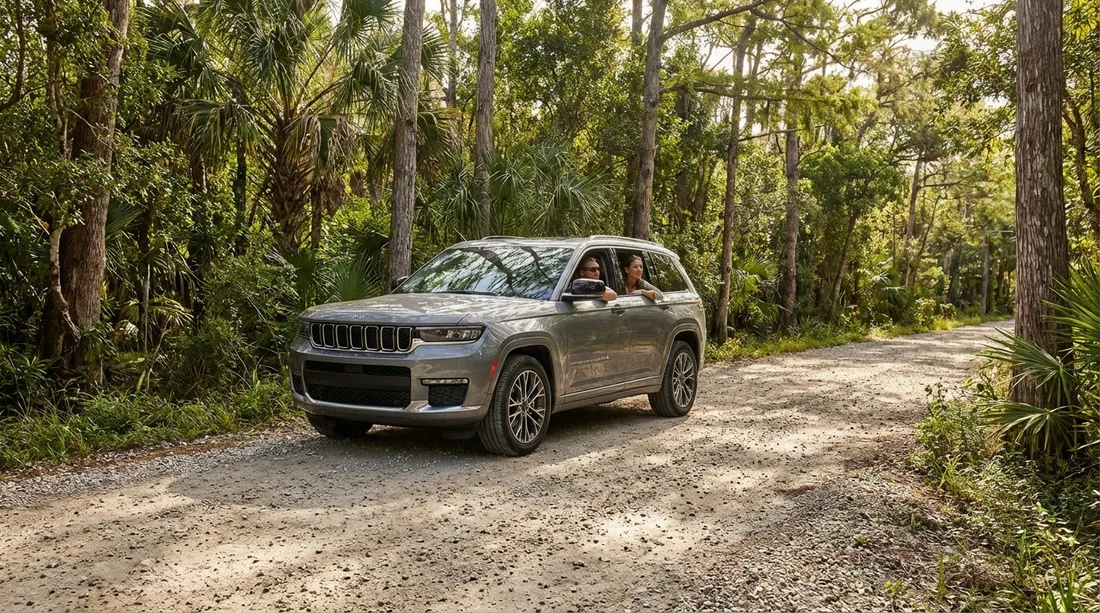
Loop Road is best thought of as a long, slow, mostly unpaved scenic route. Much of it is graded gravel and compacted dirt, with sections that can be washboarded, potholed, or muddy after rain. Even when the surface looks smooth, loose stones can flick up into wheel arches and windscreens, and the road edges can be soft.
In practical terms, that means two things for a Miami car hire driver:
First, the surface is not “off-road” in the adventurous sense, it is a public road that many ordinary vehicles drive. Second, many rental contracts still treat any unpaved road as outside permitted use, regardless of whether it is a public route and clearly signposted.
Because conditions change, think in terms of “likely surface” rather than a fixed map. You can encounter:
Gravel and packed dirt, the most common experience, usually passable at low speed.
Potholes and corrugations, which increase the chance of tyre and suspension issues if you drive quickly.
Standing water after storms, which can hide holes and soften the road edge.
What “off-road” usually means in car hire terms
In many car hire agreements, “off-road” is not defined as driving on trails or leaving the roadway. It is often defined more broadly as any travel on unsealed, unpaved, gravel, dirt, or sand roads. Some contracts also exclude roads that are not “regularly maintained” or are “unsuitable for the vehicle”.
That matters because the consequences are not limited to a small breach. Common outcomes when an incident happens on an excluded surface include:
Damage cover may not apply. Even if you have opted for a protection product, it may not cover damage arising from prohibited use.
You may be responsible for recovery. Towing from remote areas can be expensive, and some assistance programmes exclude unpaved roads.
Tyres and underbody are frequent exclusions. Tyres, wheels, and undercarriage damage are often excluded even on paved roads, and gravel increases the risk.
Administrative fees. If the vehicle is damaged, there can be an additional admin fee on top of repair costs.
None of this automatically means you cannot drive Loop Road. It means you should verify what your specific agreement says about unpaved roads, and what is and is not covered if something happens.
Fees and costs to consider, beyond cover
Loop Road itself does not typically have a drive-through toll booth like a highway, but the “fees” question for a Miami car hire trip usually shows up in other ways:
Park entry. If you combine Loop Road with nearby national park entrances, budget for standard park fees where applicable. Loop Road is commonly driven as part of a wider Big Cypress and Everglades day, so costs depend on your route choices.
Fuel and time. Gravel driving is slower and less fuel-efficient than steady highway cruising. Plan extra time so you are not rushing, because speed is the main factor that turns a manageable gravel road into a damage risk.
Cleaning. If the vehicle comes back with excessive mud, sand, or debris in the cabin or boot, some suppliers charge additional cleaning. A dusty drive is normal, but heavy soiling is what tends to trigger extra costs.
Damage assessment and downtime. If a stone chip becomes a cracked windscreen, or a tyre sidewall is cut, costs can include the repair plus the period the vehicle is out of service, depending on terms.
Which vehicles cope best, and why SUVs are not a free pass
A higher-clearance vehicle can reduce the chance of underbody scrapes on uneven ground and can feel more stable on corrugated gravel. That is one reason some travellers look at an SUV for Everglades routes. If you are comparing vehicle types, an overview like SUV hire in Miami can help you understand what is typically available.
However, an SUV does not automatically change contract restrictions. Many agreements apply the same unpaved-road limitations to every vehicle category. Also, SUVs still run on road tyres in most fleets, and road tyres are vulnerable to sharp limestone gravel. The best approach is to pick a vehicle you can drive slowly and comfortably for hours, and then confirm the permitted road types in writing.
Practical checklist to reduce puncture and damage risk
Use this checklist before and during your Loop Road drive. It is designed for normal hire vehicles, not specialist off-road setups.
1) Read the “prohibited use” section carefully. Look specifically for “unpaved”, “unsealed”, “gravel”, “dirt”, “sand”, “beach”, and “off-road”. If the wording is broad, assume Loop Road could be included. If you are unsure, ask for clarification before departure and keep the response.
2) Confirm what happens for tyres, windscreen, and underbody. These are the three most common problem areas on gravel. Even careful drivers can pick up a nail, take a stone chip, or bottom out in a rut.
3) Check the spare, jack, and tyre tool kit. Some modern cars have a tyre inflator and sealant instead of a spare. Know what you have before you leave Miami, and make sure it is usable. A sealant kit may not fix a sidewall cut.
4) Set expectations for speed. Drive slowly enough that the wheels are not throwing stones. On washboard sections, the temptation is to speed up, but that increases impact loads and can lead to loss of control.
5) Avoid the soft edge. Gravel roads often have a firmer centre and a softer shoulder. Keep away from the edge, especially near standing water, where the ground can give way.
6) Leave extra following distance. You will reduce stone spray from vehicles ahead and have more time to avoid potholes. If someone tailgates you, use a safe opportunity to let them pass.
7) Watch for water depth and turn around early. Do not drive into water you cannot judge. Standing water can conceal holes, and it can also hide debris that damages tyres.
8) Do a quick walkaround at stops. When you pull into a viewpoint or lay-by, look for fresh cuts in tyres, new warning lights, or dangling splash guards. Catching a problem early can prevent secondary damage.
9) Protect the windscreen. Keep speed down on loose gravel, and avoid oncoming vehicles by slowing further on narrow sections. Windscreen chips often start as a single stone strike at speed.
10) Keep essentials in the cabin. Bring water, a torch, and a phone charger. Remote stretches can have patchy reception and long waits for assistance.
Route planning from Miami: timings and logistics that reduce risk
From Miami, you will likely reach the Everglades region via major highways before branching onto smaller roads. The best risk reduction is not a gadget, it is a schedule that avoids rushing. Leave early, build in daylight, and give yourself time to turn around if the surface looks worse than expected after rain.
Pickup location can affect how smoothly the day starts. Travellers beginning near the beach might prefer a local collection point like Miami Beach car rental, while others coordinate with major brands at the airport, such as Enterprise at Miami Airport. The aim is simple: minimise extra city driving, avoid late departures, and return without needing to hurry back on gravel.
Also consider weather. South Florida storms can arrive quickly, and a dry gravel road can turn into a wet, slippery surface in minutes. If heavy rain is forecast, it may be wiser to pick paved scenic routes and boardwalks that still deliver wildlife viewing without the gravel exposure.
What to do if you get a puncture or damage on Loop Road
Stay safe first. Pull off to a stable, visible spot. Avoid soft shoulders that may collapse under the car’s weight.
Document the situation. Take photos of the tyre, wheel, or damage area, plus the surrounding road surface. If you need to explain how damage occurred, clear documentation helps.
Use your equipment properly. If you have a spare and it is safe to fit, do so. If you only have a sealant kit, remember it is not suitable for every puncture type.
Call the assistance number listed in your documents. Use the contract-provided guidance rather than improvising tow arrangements, unless safety requires immediate action.
Do not keep driving on a low tyre. A slow leak can become a shredded sidewall quickly, leading to wheel and suspension damage that is far more expensive.
So, can you drive Loop Road with a Miami car hire?
Many drivers do complete Loop Road in ordinary vehicles, and the route is not a technical off-road trail. The real limiter is not the car’s ability, but the contract terms and the practical risk profile of gravel: tyres, glass, underbody, and towing.
If your agreement allows unpaved public roads and you are prepared to drive slowly, avoid deep water, and accept that remote conditions add complexity, Loop Road can be a memorable day out. If your agreement excludes all unpaved roads, the safest choice is to avoid it and focus on paved Everglades access points, trails, and visitor areas that still deliver the scenery without putting your cover in doubt.
FAQ
Is Loop Road considered “off-road” for car hire contracts? Often yes, because many contracts define off-road as any unpaved or unsealed surface. Even if Loop Road is a public route, the wording may still exclude it.
Will my damage protection cover tyres and windscreens on gravel? Not always. Tyres, wheels, windscreens, and underbody damage are common exclusions or have limits, so check your specific policy wording before leaving Miami.
Do I need an SUV to drive Loop Road? You do not strictly need one in good conditions, but extra clearance can help. An SUV does not override unpaved-road restrictions, and it can still suffer punctures or stone chips.
What is the best way to reduce puncture risk on Loop Road? Drive slowly, avoid the road edges, keep larger following distances, and do not enter water you cannot judge. Most punctures come from speed, sharp stones, or hidden debris.
What should I do if I get stuck or break down on the gravel? Move to a safe spot if possible, document the situation, and call the assistance number in your rental paperwork. Avoid driving further on a damaged tyre or after impact underneath.





























































































