


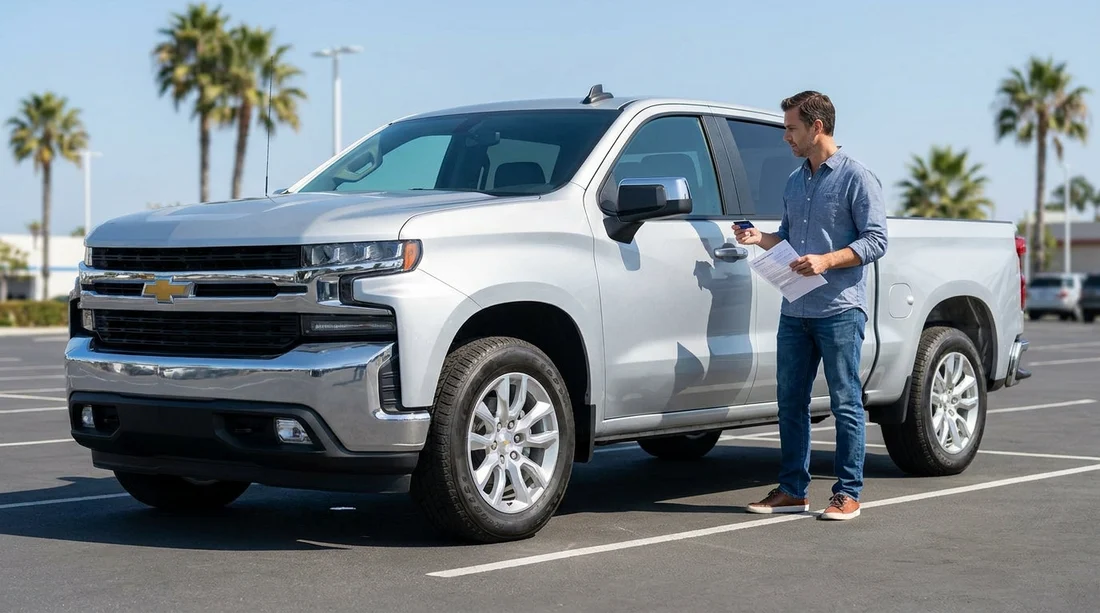
Quick Summary:
- Many UK credit-card CDW policies exclude pickup trucks and cargo vans.
- Cover may apply only to standard cars, with strict size limits.
- Check vehicle class wording, weight, seating limits, and commercial-use exclusions.
- If excluded, use rental-company protection or a specialist standalone policy.
UK travellers often assume their credit-card Collision Damage Waiver style benefit will cover any car hire they pick in California. The complication is vehicle type. In the US, “pickup trucks” and “vans” can mean anything from a compact pickup to a full-size passenger van or cargo van, and UK credit-card CDW benefits frequently carve out exactly those categories.
This article breaks down common exclusions seen on UK credit cards that offer rental vehicle insurance, so you can decide on suitable cover before you arrive at the counter. The goal is not to replace your policy documents, it is to help you spot the phrases that typically mean “not covered”.
First, what UK credit-card CDW usually is, and is not
Most UK credit-card “CDW” benefits are actually a form of rental vehicle excess reimbursement or damage/theft cover. They usually reimburse you after you have paid the rental company (or after the rental company has charged your card) for covered damage or theft. That matters because you may still need to authorise a large deposit, and you may need to pay first before claiming back.
If you are comparing car hire options across California airports, it helps to keep the insurance question separate from the vehicle class question. For instance, a standard car hire booking at Los Angeles (LAX) is usually straightforward for credit-card cover, but switching to a pickup or a larger van can trigger exclusions even if the price difference looks small.
Why pickups and vans are often excluded on UK cards
Credit-card providers tend to exclude vehicles with higher repair costs, higher theft risk, or higher liability exposure. In US rental fleets, that commonly includes pickups, cargo vans, and larger passenger vans. Many policies also exclude anything considered “commercial” or “speciality”, and US rental naming conventions can unintentionally fall into those buckets.
Another reason is classification uncertainty. A “van” could mean a minivan (people carrier) that is treated like a car, or it could mean a 12 to 15 seat passenger van that is treated as a commercial or high-capacity vehicle. A “truck” could mean a pickup, a box truck, or a moving truck. Credit-card policies often try to avoid ambiguity by excluding entire categories.
Common UK credit-card CDW exclusions that affect California car hire
1) Pickup trucks and “trucks”
Many UK credit-card policies explicitly exclude “trucks”, “pickups”, or “utility vehicles”. In California, a “pickup” is frequently booked as its own class. Even if it looks like a normal vehicle for a road trip, the word “truck” in the rental class can be enough to void cover.
2) Vans, minivans, and passenger capacity limits
Vans are a grey area. Some policies cover “minivans” but exclude “vans”, “people carriers over 8 seats”, or “vehicles capable of carrying more than 8 passengers”. If you need extra space, a minivan can be a good compromise, but you should confirm the seating limit in your policy wording and the rental confirmation.
If you are planning a family trip and comparing vehicle sizes around San Francisco, it is useful to check how the supplier labels the category. Hola Car Rentals has dedicated pages like minivan hire at San Francisco (SFO), which helps you focus on a class that is more often accepted by credit-card cover than larger vans.
3) Cargo vans and “commercial use”
Cargo vans are commonly excluded. Even if you are not using it for work, credit-card insurance may classify cargo vans as commercial vehicles. Wording to look for includes “commercial vehicles”, “vehicles primarily used for carrying goods”, or “vehicles with a load area”.
4) Vehicle value caps and “luxury or exotic” exclusions
Some cards cap cover based on the vehicle’s retail price or market value. In California, higher trims of pickups, large SUVs, and premium vans can exceed these caps, particularly in popular travel periods when fleets skew newer.
5) Weight, size, and classification limits
Another exclusion you may see is based on gross vehicle weight rating (GVWR) or engine size. Even when a pickup is not excluded by name, a weight limit can remove cover for full-size models.
How to check if your credit-card CDW will cover your chosen vehicle
Step 1: Find the “covered vehicles” definition. Look for the list of included vehicle types and, more importantly, excluded types. If the policy lists “cars and minivans” but then excludes “vans”, treat that as a sign to avoid anything labelled van.
Step 2: Match the rental class wording on your confirmation. Rental documents may say “pickup”, “truck”, “cargo van”, “12-passenger van”, or “minivan”. Your insurer may rely on that label rather than how you personally describe it.
Step 3: Check the deposit and claims process. If your cover reimburses you after payment, make sure you can handle a potential charge while the claim is processed.
Step 4: Confirm what is not covered. Tyres, windscreen, roof, underbody, towing, loss of use, and admin fees are often excluded or limited.
If pickups or vans are excluded, what are your practical options?
Choose a vehicle class your policy is more likely to cover. If your goal is luggage space rather than seats, a standard SUV or minivan may fit while staying within typical policy definitions. For airport pickups in Southern California, consider comparing categories at Santa Ana (SNA) if Orange County suits your itinerary.
Use the rental company’s damage waiver. Rental-company CDW or LDW is often the simplest way to ensure the vehicle you are actually driving is covered, including pickups and vans that cards exclude. The trade-off is cost, and you still need to understand what is included and what is not.
Plan location and vehicle needs together. If you are doing city stops and day trips, a standard car may be easiest for parking and fuel. If you are starting in Northern California, review options around San Francisco (SFO) and choose the smallest class that meets your space requirements, then align insurance to that class.
California-specific notes UK renters often miss
Liability insurance is separate. Credit-card CDW benefits usually do not provide US liability coverage. Liability is about injury and third-party property, not damage to your rental vehicle. In California, you should ensure you have appropriate liability cover through the rental agreement or other insurance, regardless of whether your card covers damage to the hire vehicle.
One-way trips and different airports. If you are collecting in one city and returning in another, your rental might be longer and your driving more varied. For example, a route starting near San Diego and finishing in Los Angeles can involve busy motorways and urban parking, where minor damage claims are common.
Fees can be the surprise. Even when damage is covered, you may face loss-of-use charges, diminished value, towing, and admin fees. Many credit-card policies limit or exclude these, so “covered” does not always mean “fully paid”.
FAQ
Does UK credit-card CDW cover pickup trucks for car hire in California? Often no. Many UK credit-card policies exclude “trucks” or “pickup trucks” by name, so you need to check the covered vehicle definition and exclusions before choosing that class.
Are minivans treated differently from passenger vans? Frequently yes. Some policies cover minivans but exclude vans over 8 seats or anything labelled “passenger van”. Match your rental class description to your policy wording.
Will my credit-card CDW cover a cargo van if I am not using it commercially? Usually it is still excluded. Policies commonly exclude cargo vans or vehicles designed to carry goods, regardless of personal use, so you may need rental-company protection or specialist cover.
If my card cover is valid, do I still need CDW from the rental company? Not necessarily, but remember many card benefits reimburse after you pay, and they may exclude fees like loss of use. Rental-company CDW or LDW can reduce upfront exposure and uncertainty.
Does credit-card CDW include liability insurance in California? Typically not. CDW relates to damage or theft of the hire vehicle, while liability cover for third-party injury and property damage is usually separate and should be arranged through the rental agreement or another policy.

























































































