


Quick Summary:
- Use the Point Dume State Beach pay-and-display lot for simplest access.
- For El Matador, choose the signed roadside bays on PCH.
- Always obey red kerbs, tow-away notices, and permit-only residential zones.
- Arrive early, carry card or coins, and note posted time limits.
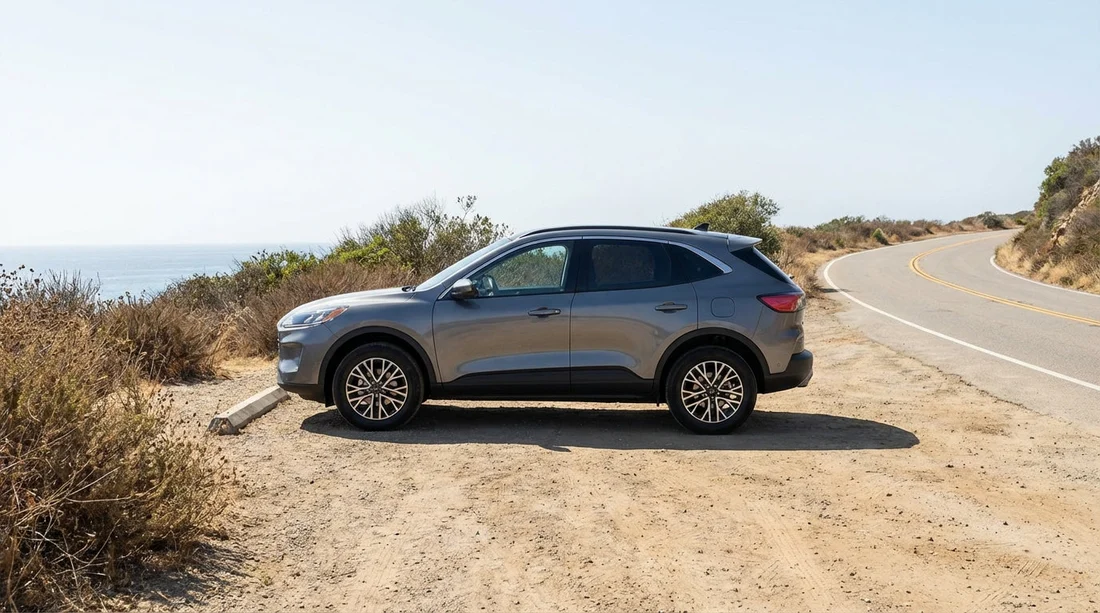
With a Los Angeles car hire, Malibu’s beaches are an easy day trip, but parking rules change street by street and tow enforcement is real. Point Dume State Beach and El Matador State Beach are two of the most popular stops, and both rely on a mix of official lots and tightly controlled roadside spaces. This guide explains where you can park legally, what signage matters most, and how to avoid resident-only areas and tow-away zones.
If you are picking up a vehicle at the airport, it helps to know your parking style early. A smaller car can squeeze into shorter roadside bays, while a larger hire can be harder to fit without crossing lines. If you are comparing options, see the local pages for Los Angeles LAX car rental and California LAX car rental to understand typical vehicle categories.
Before you park: the Malibu rules that catch visitors out
Malibu parking is governed by posted signs and kerb markings, and they are enforced by citation and towing. Do not rely on what other cars are doing. One legal bay can sit beside a tow-away corner.
Read the sign at your exact space. In Malibu, restrictions can vary within a few metres. You need to read the nearest sign that applies to where your tyres end up, not the sign you passed on the approach.
Red kerbs and corners are the fastest way to get towed. A red-painted kerb usually means no stopping or standing. Even if you are “just waiting”, it can be enforced. Be especially cautious near intersections, driveways, and blind curves off Pacific Coast Highway (PCH).
Permit-only and resident-only zones appear on side streets near beaches. If a sign mentions permits, resident permits, or a specific district permit, you cannot park there unless you have that permit. These streets are a frequent trap for beach visitors searching for free parking.
Time limits matter. “2 Hour Parking” or similar rules often apply during stated hours. Overstaying can earn a ticket even if you paid at a machine elsewhere. Start a timer on your phone when you lock the car.
No blocking driveways, even partly. Do not let any part of the vehicle intrude into a driveway apron. Driveways in Malibu can be wide and unmarked, and towing can still occur if access is impeded.
Point Dume: the most reliable legal parking choices
Point Dume is popular because it offers beach access and the bluff trail. The simplest legal option is the official state beach lot, supported by a small number of regulated roadside spaces nearby.
1) Point Dume State Beach pay-and-display lot
This is the primary legal car park for Point Dume. It is the most straightforward choice because it is clearly marked, designed for beach visitors, and avoids the resident-only puzzle on nearby streets. Expect it to fill up on sunny weekends and during school holidays, so arriving earlier in the day reduces stress.
What to watch for in the lot:
Payment method and display rules. If you are issued a receipt or ticket, follow the instructions on where it must be displayed. If payment is by plate, double-check the plate you enter. A single wrong character can lead to a citation because the system shows “no payment” for your car.
Oversize rules. Some lots have size limitations or require buses and motorhomes to use specific areas. If your car hire is a van or larger vehicle, keep within marked bays and check any posted restrictions at the entrance.
2) Legal roadside parking near Point Dume
There are limited legal roadside spaces on some approaches, but these are heavily signposted and frequently restricted by time limits, street cleaning, or resident permit rules. Only use roadside parking if you can clearly see that your space is allowed during the current day and time.
Roadside safety checklist:
Confirm you are fully within a marked bay. If there are white lines, do not park on or over them. If there are no lines, ensure you are not within restricted distances of a corner or driveway, and check for any “No Parking” sections.
Look for street cleaning signs. Malibu commonly posts street sweeping schedules. Parking during the restricted window can mean a ticket even if the beach is quiet.
Avoid permit districts. If you see permit language, assume it is not for visitors. Move on rather than guessing.
3) Drop-off strategy if the lot is full
If the state beach lot is at capacity, do not stop on PCH to wait. Instead, proceed to a legal area away from traffic to reassess, or consider a different beach with more parking. Stopping on the shoulder where signs prohibit it can be treated as an enforcement issue.
El Matador State Beach: where you can park legally
El Matador is famed for sea caves and rock formations, and parking is the part that makes or breaks the visit. Legal parking is usually in signed roadside bays along PCH, plus limited formal parking areas depending on current management and conditions. Because El Matador sits directly off a fast coastal highway, safety and compliance matter even more.
1) Signed roadside bays along Pacific Coast Highway
The most common legal option for El Matador is to use the clearly signed roadside spaces on PCH near the beach access. These areas are popular and can fill quickly. Only park where signs explicitly permit parking, and where your vehicle is fully within the designated area.
Key signage to identify:
“No Parking” and “Tow-Away” signs. If either appears for your side of the road during the current time window, do not park there. Tow-away language is not a bluff on PCH.
Time-limited parking. Some areas may allow parking only for a stated number of hours. If you plan a long beach stay, ensure the time limit fits your visit including the walk down and back up.
Do not park on soft shoulder. If the surface drops off, is sandy, or looks unstable, do not risk it. Beyond damage to your hire vehicle, enforcement can treat it as illegal if you are outside a signed area.
2) Any marked lots or turnouts
Occasionally, there may be a small marked parking area or turnout signed for beach access. Treat these as legal only if they are clearly designated for public parking and you can see payment instructions or public access signs. If an area looks like a maintenance access, private drive, or emergency turnout, avoid it.
3) Avoid nearby residential side streets unless clearly unrestricted
El Matador’s surrounding area includes residential streets where restrictions can be strict. If you leave PCH to look for alternatives, do not park where signs reference permits, residents, or district rules. Even streets without permit signs can have short time limits that are enforced more tightly on busy days.
How to avoid tow-away zones and costly mistakes
Parking tickets are frustrating, but towing is the outcome that can ruin a beach day and complicate a car hire agreement. Focus on the most common triggers:
1) Do not stop on red kerbs or in clearly restricted zones
Red kerbs, posted tow-away hours, and “No Stopping” signs are not negotiable. If you need to check directions, use a proper lot or a clearly legal parking space.
2) Keep clear of intersections, fire hydrants, and driveways
Even if a spot looks tempting, parking too close to a corner or hydrant can be illegal without a dramatic sign. In tight beach areas, these rules are actively enforced.
3) Follow pay rules exactly
If you pay by plate, confirm the plate characters. If you must display a receipt, place it exactly as instructed. If the machine offers an on-screen confirmation, wait for it before walking away.
4) Do not assume “everyone does it” makes it legal
On peak days, you may see cars tucked onto shoulders or partially outside bays. These are often the first to be ticketed or towed, especially where they create hazards on PCH.
5) Plan for your vehicle size
If you have a larger vehicle, it is easier to inadvertently encroach into a traffic lane or cross bay lines. If you are travelling with a group, it can be worth choosing a standard car rather than a large van for Malibu beach hopping. For larger options, review details on van hire in California LAX so you know what you are dealing with when parking.
Timing, costs, and practical tips for a smoother Malibu beach day
Arrive earlier than you think. The best legal spaces for both Point Dume and El Matador go quickly, often before late morning on weekends. Midweek is generally easier, but sunny weather can still create demand.
Carry a payment backup. Some pay stations accept cards only, others may accept coins, and mobile signal can be patchy in coastal pockets. Have at least one backup method so you do not end up “hoping it works”.
Check your return plan. The walk to and from El Matador involves a descent and ascent. Give yourself time so you are not sprinting back to beat a time limit.
Mind the doors and traffic. If parking along PCH, exit carefully on the side away from traffic where possible. Keep passengers close and cross only where safe.
Keep valuables out of sight. Malibu is not defined by smash-and-grab crime, but beach lots are still tourist environments. Lock your car and keep bags out of view.
If your trip starts at LAX and you are deciding between suppliers, you can compare pick-up expectations via National Car Rental at Los Angeles LAX or Budget car hire in California LAX. Knowing what vehicle you will have helps when judging tight roadside spaces.
What to do if you are unsure a space is legal
If you cannot confirm legality from signs and kerb markings, do not park there. For Malibu beaches, the “maybe” spaces are often the expensive ones. Use this decision process:
Step 1: Find the nearest sign that applies to your side of the road and your exact position.
Step 2: Check the day and time window, including street cleaning schedules.
Step 3: Look for permit language, tow-away hours, or red kerb markings.
Step 4: If anything conflicts or is unclear, move to a clearly designated lot or marked bay.
This approach is especially important with a car hire because towing and impound fees can escalate quickly, and you may lose a significant amount of beach time retrieving the vehicle.
FAQ
Where is the safest legal place to park for Point Dume?
Use the Point Dume State Beach pay-and-display lot. It is clearly designated for visitors and avoids most resident-permit complications.
Can I park on Pacific Coast Highway for El Matador?
Yes, but only in the signed roadside bays where parking is explicitly permitted. Do not stop in tow-away areas, red-kerb zones, or on unsafe shoulders.
What signs should I prioritise to avoid towing in Malibu?
Prioritise “Tow-Away”, “No Stopping”, “No Parking”, permit-only notices, street cleaning windows, and any red-kerb sections near your space.
Are residential streets near these beaches OK for free parking?
Some may allow it, but many are permit-only or time-limited. If you see permit or resident language, assume it is not legal for visitors.
How can I reduce parking stress when visiting from Los Angeles?
Go early, choose the official lot for Point Dume, and use only clearly signed bays for El Matador. Set a timer for any posted time limit.





























































































