


Quick Summary:
- LDW often excludes roof and underbody damage unless explicitly stated.
- Flood or water immersion is commonly excluded, even with LDW.
- Driving into standing water can void cover due to negligent use.
- Inspect, photograph and report pre-existing damage before leaving the lot.
If you are arranging car hire in Florida, it is easy to assume LDW, often called Loss Damage Waiver, covers any damage to the rental vehicle. In reality, LDW is a waiver with conditions and exclusions, not a blanket promise to pay for every type of damage. Roof scrapes, underbody impacts and flood related damage are three of the most common areas where travellers are surprised by what is not covered, or where cover can be voided because of how the incident occurred.
This guide explains how LDW commonly works in Florida and what you should check before you accept or decline insurance at pick-up. Policies vary by supplier and product, so treat this as a practical checklist for questions to ask and wording to look for on the rental agreement.
What LDW usually means in Florida
LDW is typically an optional product that reduces or removes your financial responsibility for damage to the rental car, subject to conditions. Sometimes it includes theft protection, sometimes theft is separate. Some packages also include a deductible, also called an excess, which you still pay even when the claim is accepted.
The key point for Florida car hire is that LDW is often tied to proper use of the vehicle. If the vehicle is used in a way the contract prohibits, the waiver can be void, meaning you could be billed for the full repair cost, loss of use and admin fees.
If you are collecting near Miami, you can compare pick-up points and supplier options on car hire Miami (MIA) and then review the specific terms supplied with your quote. For Doral collections, see car hire Doral (DRL) for location context and typical rental processes.
Does LDW cover roof damage?
Often, roof damage is excluded from LDW unless the paperwork clearly says it is included. Roof damage is common with low clearances, parking garages, hotel porte cocheres, drive-thru canopies, and luggage rack or roof box incidents.
Even when roof damage is not explicitly excluded, providers may treat it as an indicator of prohibited or negligent use, for example ignoring a posted height restriction. That can lead to LDW being refused. In Florida, this can happen in multi-storey parking structures near beaches, malls and cruise terminals.
What to look for in the agreement and product description:
Exclusion wording: “Damage to the roof” or “upper body” not covered. Some contracts group roof, glass, tyres and undercarriage together.
Prohibited use wording: “Operating in restricted areas” or “failure to comply with posted warnings”. A clearance sign is a posted warning.
Vehicle type sensitivity: SUVs and taller vehicles are more likely to contact low beams or height bars. If you are considering a larger vehicle, review the practicalities on SUV hire Doral and plan routes and parking with height limits in mind.
Practical prevention steps:
Choose open air parking where possible. If you must use a garage, know the vehicle height and compare it to the posted clearance. Avoid any “it will probably fit” decisions, because a roof scrape is difficult to argue as unavoidable.
Does LDW cover underbody damage?
Underbody damage is one of the most frequently excluded categories under LDW. The undercarriage is hard to inspect at return, and damage can be associated with bottoming out, hitting kerbs, road debris, parking stops, potholes, speed bumps or driving off paved surfaces.
In Florida, underbody claims often arise from:
Steep driveway entrances, particularly around older buildings.
High kerbs and parking blocks.
Rough shoulders, construction zones and temporary ramps.
Flooded roads where the vehicle contacts unseen debris.
What to check:
Explicit undercarriage exclusion: Many agreements list “underbody”, “undercarriage” or “mechanical damage due to impact” as excluded.
Off-road restrictions: Even a short unpaved access road to a beach car park or a rural property can be interpreted as off-road use. If off-road use is prohibited, LDW may be voided for related damage.
Tyres and wheels: Underbody exclusions often sit alongside tyre and wheel exclusions. A kerb impact can damage wheel alignment and underbody components together, creating a broader bill.
Practical prevention steps:
Take speed bumps very slowly and at an angle if safe. Avoid parking stops that may be higher than the car’s clearance. Do not drive onto grass, sand or unpaved surfaces unless your agreement permits it, because the dispute is usually about vehicle use, not driver intent.
Does LDW cover flood or water damage?
Flood and water immersion damage is commonly excluded, even when you have LDW. In insurance terms, water intrusion can be treated as an avoidable hazard if the driver chose to enter standing water, drove through a flooded street, or ignored warning signs.
Florida’s weather makes this especially important. Heavy rainfall, king tides and tropical systems can cause rapid local flooding. A road that looks passable can become deep enough to damage electronics, intake systems and interiors. Once water enters the cabin or engine bay, repairs can be extensive.
Typical contract language includes:
Water damage exclusion: “Damage due to water, flood, saltwater, or driving through water” is not covered.
Negligence clause: If the driver fails to take reasonable care, LDW can be voided even if water damage is not singled out.
Restricted areas: Beach driving is often prohibited. Saltwater exposure and sand intrusion can be treated as misuse.
Practical prevention steps:
If you cannot see the road surface, do not enter the water. Turn around and find an alternative route. Avoid parking in low lying areas during severe weather. If you must park outside, choose higher ground and keep an eye on weather alerts and local flooding reports.
How LDW can be voided, even when damage type seems covered
Travellers focus on whether a specific part of the car is covered, but many LDW disputes come down to contract compliance. You can have LDW and still be charged if the waiver is voided.
Common reasons for voided LDW in Florida car hire agreements include:
Unauthorised driver: If someone not listed on the contract drives, cover may be lost.
Driving under the influence: Any impairment or illegal substance issues can void protection.
Leaving the scene or no police report when required: Some incidents require prompt reporting. Flood incidents may require documentation too, especially if there is a dispute about how the car got damaged.
Using the wrong fuel: Misfuelling is often excluded as it is considered driver error.
Ignoring warning signs: Clearance signs, flood road closures and “do not enter” signage are relevant.
Because suppliers and products differ, it helps to compare how terms are presented across suppliers at a given location. For instance, you can view supplier pages such as Avis car hire Florida (MIA) and Thrifty car hire Doral (DRL), then check the exact LDW wording offered with your selected option.
What to ask at the counter before accepting or declining
At pick-up, you may be asked to accept or decline LDW quickly. Take a moment to clarify these points in plain language and, where possible, have the agent show you where it appears in the written terms.
Ask:
“Is roof damage covered under this LDW, yes or no?”
“Is undercarriage or underbody damage covered?”
“Is flood or water immersion damage covered?”
“What actions void LDW on this agreement?”
“Is there a deductible, and what fees apply if there is a claim?”
If the answer is “it depends”, ask what it depends on and request the contract section. Your goal is not to debate, it is to understand the conditions you are agreeing to before you drive away.
Inspection and documentation tips that reduce disputes
Even perfect cover can turn into a dispute if the damage timing is unclear. A careful inspection protects you whether you take LDW or decline it.
Before leaving the lot:
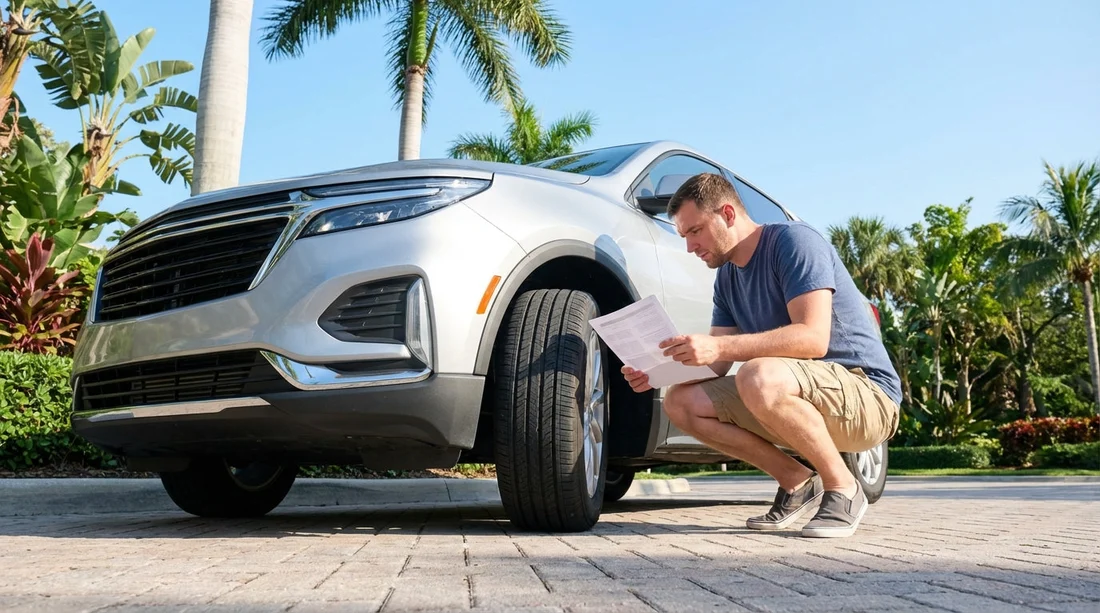
Photograph the roof line and upper panels: Walk around and angle the camera upward. Roof damage is easy to miss at eye level.
Photograph bumpers, sills and wheel areas: These are common impact points tied to underbody issues.
Check the windscreen and lights: Not part of the title question, but commonly disputed.
Confirm existing damage is on the check-out report: If the report is digital, ensure it is updated before you go.
If something happens during the rental:
Stop safely, take photos of the scene and the hazard, and report it as required by the agreement. If flooding is involved, document signage, water depth indicators if visible, and the weather conditions. The more clearly you can show you acted reasonably, the less likely LDW will be challenged as negligent use.
Choosing the right protection for Florida driving conditions
The title question has a consistent practical answer: roof, underbody and flood damage are often excluded from LDW in Florida unless the paperwork explicitly includes them. That does not mean you should automatically accept or decline at the counter. It means you should decide based on your route, parking plans, vehicle type and risk tolerance, and on whether you have any other coverage that fills the gaps.
Florida driving can involve sudden storms, unfamiliar parking structures and long distances on highways with road debris. The right approach is to treat LDW as one part of the overall picture, alongside careful vehicle selection, sensible driving decisions and strong documentation habits.
FAQ
Does LDW always exclude roof damage on a Florida rental car? No. Some LDW products include it, but roof damage is frequently excluded or limited. Always confirm in writing because a clearance strike can also be treated as negligent use.
If I drive through a flooded street, will LDW still apply? Often not. Many agreements exclude water or flood damage outright, and even where they do not, driving into standing water can void LDW under negligence or misuse clauses.
Is underbody damage treated differently from normal collision damage? Yes, commonly. Underbody or undercarriage damage is often carved out as a specific exclusion, meaning LDW may not waive your responsibility even if it covers standard collision repairs.
What should I do if I notice roof or underbody damage after leaving the car park? Report it immediately and document it with photos and the location. Delays can make it harder to show the damage was pre-existing or unrelated to prohibited use.
Can I rely on my own insurance or card benefits instead of LDW? Possibly, but you must check whether your policy covers roof, undercarriage and flood damage, and whether it covers rental company fees like loss of use. Confirm terms before you travel.





























































































