


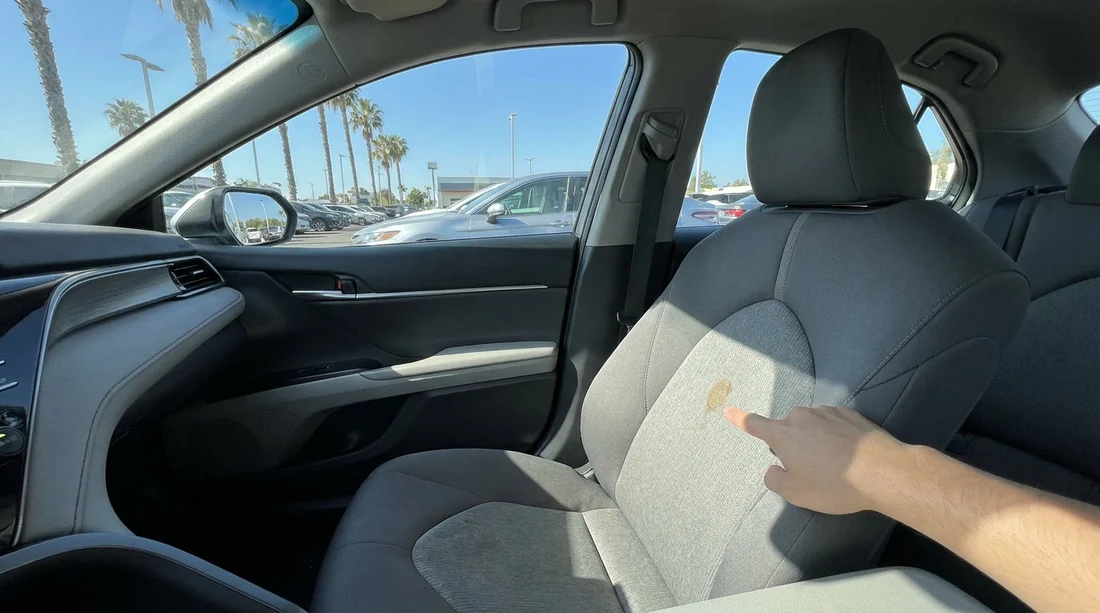
Quick Summary:
- LDW usually covers theft and collision damage, not interior stains.
- Burns, odours, pet hair, and heavy soiling are often excluded.
- Read the agreement for interior, upholstery, and cleaning fee exclusions.
- Photograph seats and carpets at pickup, and report issues immediately.
If you are arranging car hire in California, it is easy to assume Loss Damage Waiver, often shortened to LDW, will protect you from any damage charge. In reality, LDW usually focuses on the vehicle’s bodywork and theft related loss, while the interior often falls under separate rules about cleaning, misuse, and neglect. Stains, cigarette burns, vape residue, odours, and damage to seats are among the most common post return disputes because they are visible, hard to date, and frequently excluded from waivers.
This guide explains what LDW usually covers, why interior issues are different, and how to check your documents before pickup so you can choose cover confidently.
What LDW usually covers on a California rental
LDW is generally an optional waiver that reduces or removes your financial responsibility if the rental car is damaged or stolen, provided you followed the rental agreement. It often functions like a contractually defined damage waiver rather than insurance, and the exact protections vary by supplier and booking channel.
If you are comparing suppliers around major hubs, these basics stay similar, but the details can differ. For example, travellers arranging vehicles via San Francisco SFO options might see slightly different definitions than those reviewing LAX supplier terms, even when both mention LDW in the headline.
Does LDW cover stains or burns inside the car?
Most of the time, no. Stains and burns are usually treated as interior damage or cleaning issues, and rental agreements frequently exclude them from LDW. The reason is simple: interior damage is often categorised as avoidable misuse, negligence, or unauthorised behaviour, such as smoking in the vehicle. A waiver that protects against accidental collision damage to the car does not automatically waive charges for restoring the cabin to its pre rental condition.
Even when an agreement labels LDW as “damage waiver”, the fine print may define covered “damage to the vehicle” in a way that emphasises exterior body and excludes interior trim, upholstery, or cleaning costs. That is why it is important to check the actual rental agreement you sign at the counter, not just the summary on a booking screen.
Why interior damage is treated differently
Interior issues are less likely to be linked to a single accidental event that you can document, like a parking scrape. They also impact the next renter and may take the car out of service. Suppliers often use fixed fee schedules for cleaning or repairs because it is difficult to price consistently at return time.
In California, many rental companies operate with standardised condition reports, and if the return agent notes an odour or stain, the charge can be applied even if you did not notice it. This is particularly relevant when collecting at busy airports or returning after hours. If you are planning car hire through San Jose SJC or Sacramento SMF, allow time at pickup to review the interior in good light rather than rushing straight to the motorway.
Common LDW exclusions that can still lead to charges
Even when the damage is not “interior” as such, it may fall into categories that LDW often excludes. It helps to recognise these patterns in the terms.
Negligence or misuse, including smoking, transporting prohibited materials, or leaving windows open during rain leading to water damage.
Unauthorised drivers or uses, such as letting someone not listed on the agreement drive. If an unauthorised driver causes a spill or damage, the waiver may not apply to any related loss.
Failure to report incidents. Some agreements require you to report damage promptly. If you discover a burn mark and do not note it, it may be attributed to you.
Cleaning and “valeting” fees. These are frequently separated from damage, so LDW does not waive them.
Key documents and equipment. Lost keys, missing mats, or damaged child seats can be excluded from LDW and charged directly.
How to check your protection before pickup
The most reliable way to know whether stains or burns are covered is to locate the exact definitions and exclusions in the rental agreement and any separate waiver leaflet. Look for headings such as “Loss Damage Waiver”, “Damage Waiver”, “Exclusions”, “Interior”, “Upholstery”, “Cleaning”, and “Smoking”. If the agreement lists a “smoking fee” or “special cleaning fee”, that is a strong sign interior contamination is handled outside LDW.
Also check whether the supplier offers an additional product that sounds like “interior protection”, “cleaning cover”, or “complete protection”. Terms vary, and not every location offers the same add ons. If you are reviewing different suppliers for Los Angeles, note that protections can differ between providers, such as those shown on Dollar at LAX compared with other brands.
Practical steps to avoid interior disputes
Most interior charges are preventable with a few simple habits, and these steps also make it easier to contest an incorrect claim.
Inspect the interior before leaving the lot. Check seats, carpets, door panels, the boot area, and the headliner. Look for existing stains, burn marks, and tears. If you see anything, have it recorded on the condition report.
Take timestamped photos and a quick video. Focus on common problem areas: driver seat bolster, rear seats, cupholders, carpets, and cargo area. This is especially useful if you are collecting at night or in a covered garage.
Keep food and drink controlled. Use sealed bottles, avoid messy foods, and clean small spills immediately with water and a cloth. Do not use harsh chemicals, as they can worsen stains and create damage.
Follow no smoking rules strictly. Even if local law permits cannabis, the rental agreement may still forbid smoking in the vehicle. Smoke smell can lead to a fixed fee even without visible ash.
Return during staffed hours when possible. A walk around with an agent gives you a chance to address questions on the spot, rather than receiving a later notice.
Choosing cover confidently for car hire in California
To decide what cover you need, separate the risks into two buckets. First, driving risks like collisions, parking damage, and theft, which LDW is designed to address. Second, cabin condition risks like stains, burns, smoke odour, and deep cleaning, which are often excluded and charged as fees or repairs.
The key is to know, before pickup, whether the waiver you selected is collision focused only, or whether it explicitly includes interior trim and cleaning. With that clarity, you can start your California trip without second guessing what a stain or burn might cost later.
FAQ
Is a “smoking fee” covered by LDW? Usually not. Smoking fees are commonly listed as cleaning or policy breach charges, which are typically excluded from LDW even when collision damage is waived.
If I spill coffee on the seat, will LDW pay for cleaning? Most agreements treat spills as interior cleaning, not collision damage. You may be charged a cleaning fee or repair cost if the stain cannot be removed.
What if the stain was already there when I picked up the car? Document it immediately. Take photos, ask the agent to note it on the condition report, and keep a copy so it is not attributed to your rental.
Can I be charged for odour even if there is no visible damage? Yes. Some suppliers apply fixed charges for smoke, cannabis, or strong odours that require special treatment, and these are often outside LDW.
Does LDW cover damage caused by a child seat rubbing the upholstery? Often no, because it is interior wear or misuse. If you are fitting a child seat, install it carefully and consider using a protective mat where permitted.





























































































